
New Orleans’ sultry climate, with temperatures regularly climbing into the 90s and humidity levels that feel thick enough to swim through, creates a distinct set of cleaning challenges. The moisture-laden air doesn’t just make you sweat: it accelerates mold growth, invites mildew into every corner, and causes materials to break down faster than in drier climates. Whether you’re a longtime resident or new to NOLA, understanding how the local environment affects your home’s cleanliness and maintenance is crucial. This guide walks through the specific supplies, strategies, and preventive measures that actually work in New Orleans’ unique climate.
Table of Contents
ToggleKey Takeaways
- House cleaning in New Orleans requires specialized mold-fighting products and strategies because the region’s 70% humidity and heat accelerate mold growth faster than in drier climates.
- Essential cleaning supplies for New Orleans include white vinegar, hydrogen peroxide, dehumidifiers, HEPA-filter vacuums, and mold-specific cleaners like Concrobium or borax-based products.
- Keep indoor humidity below 60% by using hygrometers and dehumidifiers, and ensure bathrooms and kitchens are cleaned monthly with focus on grout lines, under-sink areas, and exhaust fan usage after showers.
- Prevent moisture damage by maintaining proper home drainage, cleaning gutters quarterly, rerouting exhaust fans outside the attic, and repainting exposed wood every 3–5 years with humidity-resistant finishes.
- Improve air circulation throughout your home by opening windows daily, positioning furniture away from exterior walls, and running air conditioning year-round to maintain consistent humidity control.
Why New Orleans Cleaning Requires a Unique Approach
New Orleans sits at sea level, surrounded by water, with an average annual humidity level that hovers around 70 percent, sometimes much higher during summer months. This moisture environment creates problems that a standard cleaning routine won’t solve. Mold and mildew don’t just appear on bathroom walls: they thrive behind baseboards, under sinks, in crawl spaces, and on exterior wood surfaces.
The combination of heat and humidity also means that dust, pollen, and outdoor contaminants settle onto surfaces faster and cling more stubbornly. Regular dusting becomes a weekly necessity rather than a monthly task. Also, the salt air from the Gulf (particularly in areas closer to the coast) accelerates corrosion on metal fixtures and can leave a sticky film on windows and exterior surfaces.
Understanding these factors shapes how you approach cleaning. You’re not just maintaining appearances: you’re fighting against environmental conditions that actively work against cleanliness. This requires the right products, a disciplined schedule, and preventive measures that address moisture at its source.
Essential Cleaning Supplies for the New Orleans Climate
Your cleaning arsenal in New Orleans needs to prioritize moisture-fighting power over general-purpose cleaners. Stock up on white vinegar (a natural mold inhibitor), hydrogen peroxide (excellent for killing mold spores without toxic fumes), and baking soda (absorbs odors and moisture). For heavier-duty work, bleach-based bathroom cleaners or oxygen-based mold removers are worth keeping on hand. Look for products labeled as mold and mildew killers, they’re not optional in this climate.
You’ll also want dehumidifiers and moisture-absorbing products like desiccant packs or silica-based moisture traps for closets, basements, and damp-prone areas. A HEPA-filter vacuum ($150–$300) is a worthwhile investment: it traps mold spores and prevents them from recirculating through your home. Don’t skimp here, standard vacuums actually spread allergens.
For windows and glass, use a squeegee ($10–$20) rather than paper towels. The salt air and humidity leave streaks that cloth alone won’t eliminate. Keep microfiber cloths in supply: they actually dry surfaces rather than just pushing moisture around.
Mold and Mildew Fighting Products
Specialized mold-fighting products aren’t luxuries in New Orleans, they’re necessities. Concrobium Mold Control ($15–$25 per bottle) is a non-toxic option that kills mold without bleach and leaves a protective residue. Borax-based cleaners ($10–$15) work well for laundry and general surfaces. For porous materials like grout, hydrogen peroxide plus baking soda paste is cost-effective and safe.
When choosing products, read labels carefully. Some cleaners merely cover mold with pigment rather than killing it. Look for products that claim to “kill mold spores” or contain active ingredients like hydrogen peroxide, borax, or tea tree oil. Always wear gloves and eye protection when applying these products, and ensure good ventilation, open windows or run exhaust fans while cleaning.
Room-by-Room Cleaning Strategy for Your NOLA Home
Different areas of your home require different approaches based on moisture exposure and use patterns. A systematic room-by-room strategy prevents you from missing problem areas and keeps mold from establishing strongholds.
Bathrooms and Kitchens
These spaces generate the most moisture and warrant the strictest routine. In bathrooms, don’t just wipe down the toilet and sink, pay attention to grout lines, where mold establishes itself quickly. Spray grout monthly with a mold-preventing cleaner ($8–$15): let it sit for 10 minutes before scrubbing with an old toothbrush. After every shower, run the exhaust fan for at least 30 minutes and consider leaving it on longer if you have a timer.
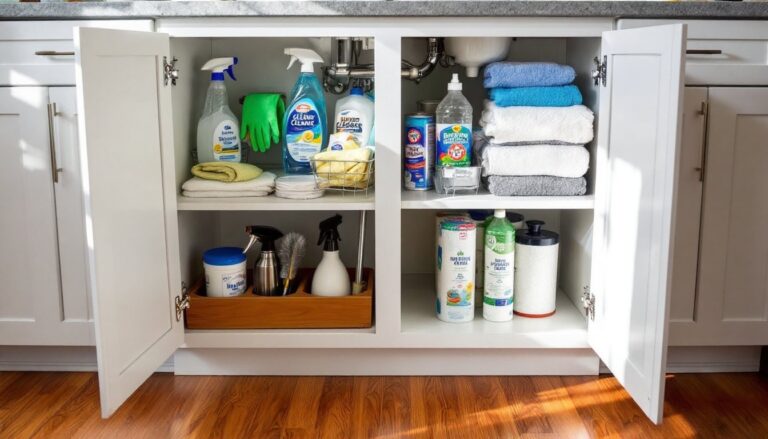
Under-sink areas are mold factories. Remove everything, inspect the underside of the sink for leaks, and wipe surfaces with a hydrogen peroxide solution. Leave cabinet doors slightly open when not in use to allow air circulation. Check water supply lines for drips, even minor leaks create ideal mold conditions.
In kitchens, focus on the areas around the sink, dishwasher, and refrigerator. Wipe down the dishwasher door gasket weekly: soap scum and debris trap moisture and mold. Clean the refrigerator coils (usually under or behind the unit) every 3–4 months, clogged coils reduce cooling efficiency and allow condensation to pool. Recent studies on household maintenance emphasize that preventive attention to these spaces cuts mold incidents significantly.
Living Spaces and Bedrooms
These areas don’t generate as much moisture as bathrooms, but they’re where you spend downtime, and poor air circulation can lead to stale air and hidden mold growth. Open windows daily if weather permits, even 15 minutes of cross-ventilation makes a difference. Position furniture a few inches away from exterior walls to allow air to circulate behind and prevent moisture from settling.
Vacuum upholstered furniture and curtains weekly with a HEPA-filter vacuum to remove dust and mold spores. If your home has a basement or crawl space, address it proactively. Use a dehumidifier set to 50–60% humidity, and ensure gutters and downspouts direct water away from the foundation. Standing water or damp soil near your home’s perimeter is an open invitation to moisture problems. Expert cleaning tips and tricks often highlight that consistent air movement and dehumidification are the backbone of mold prevention.
Dealing with Humidity and Moisture Damage Prevention
Humidity control is the foundation of effective cleaning in New Orleans. If you don’t address moisture, you’re fighting a losing battle against mold and mildew.
Install hygrometers ($15–$30 each) in key areas, basement, master bedroom, bathroom. These inexpensive gauges let you monitor indoor humidity levels. Your goal is to keep relative humidity below 60 percent: above that, mold and mildew thrive. Dehumidifiers range from small portable units ($100–$200) to whole-house systems (several thousand dollars). For most homes, a 50-pint dehumidifier in the basement or primary moisture zone does the job.
Check your home’s drainage and grading. Soil around your foundation should slope away from the house at a 5 percent grade, roughly 1 foot of drop for every 20 feet of distance. Clogged gutters are a silent culprit: clean them quarterly (more often if you have oak trees overhead, which are common in NOLA). Install gutter guards ($200–$500 for a whole house) if you’re tired of climbing a ladder.
Air conditioning and ventilation are critical. Run your AC year-round to maintain consistent humidity, not just temperature. In bathrooms and kitchens, exhaust fans should vent outside, not into your attic. If yours vents into the attic, hire a contractor to reroute the ductwork (typically $300–$600 per room): this prevents moisture accumulation in a space where you can’t see it. Structural damage in attic framing is costly to repair and often invisible until serious.
For exterior maintenance, repaint exposed wood every 3–5 years using moisture-resistant primers and finishes. New Orleans’ salt air and moisture attack paint faster than in other regions. When painting, choose products specifically rated for humid climates. Platforms like The Spruce offer detailed guidance on selecting climate-appropriate finishes. Inspect caulk around windows and doors: replace it every 5 years or whenever you notice gaps or deterioration. Water infiltration through these gaps accelerates interior mold.