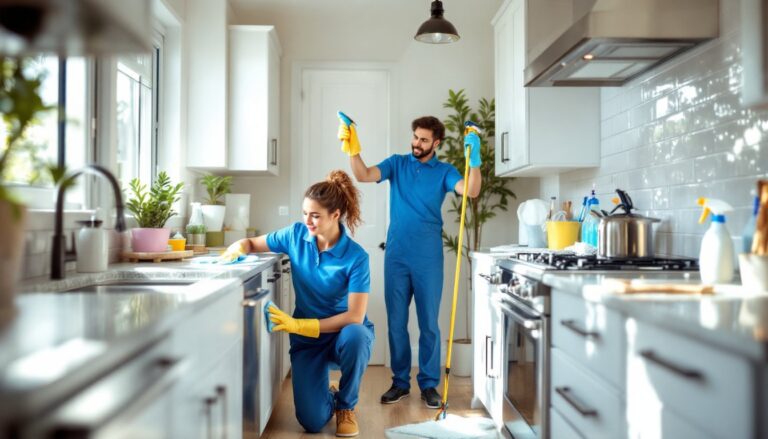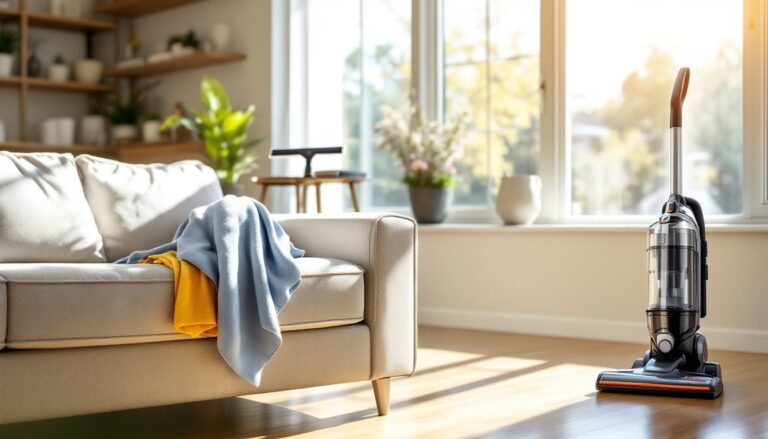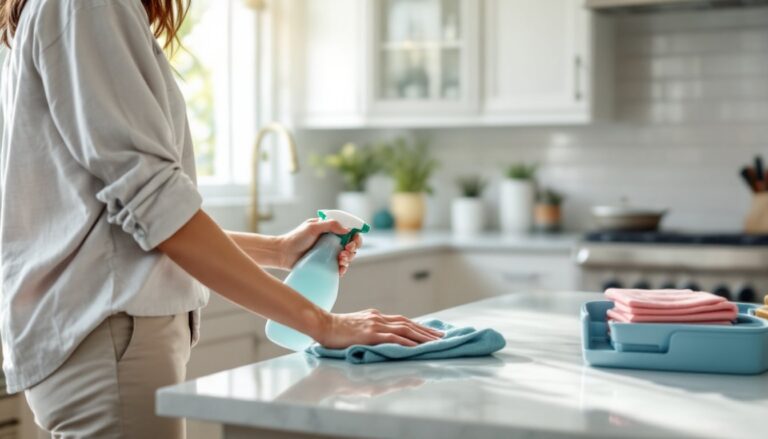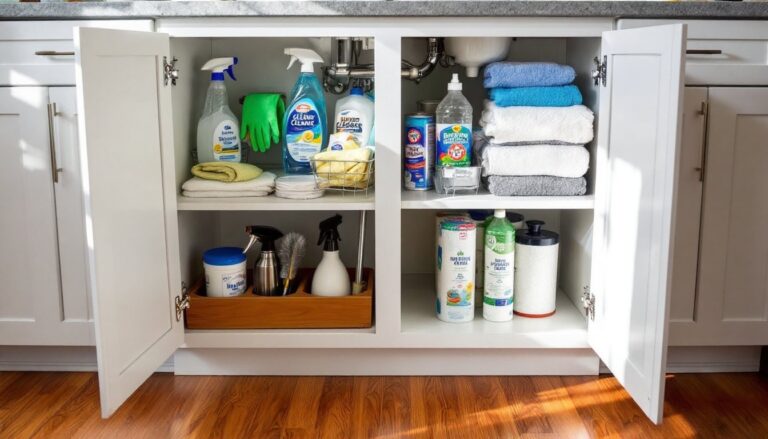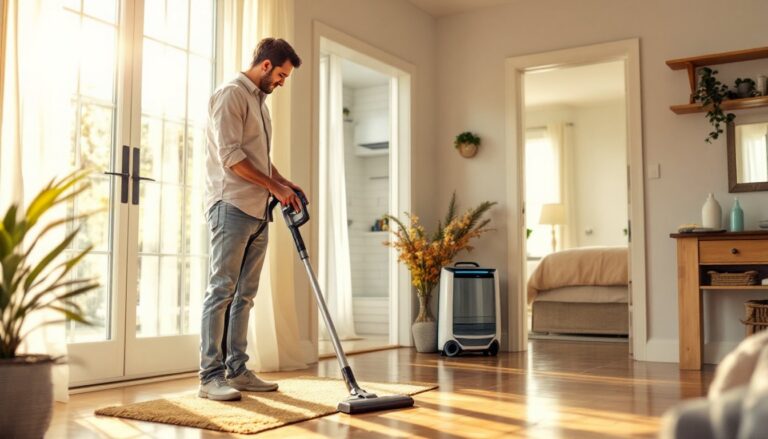

A clean home isn’t just about appearances, it’s a foundation for health, comfort, and property value. Whether you’re tackling a full-house cleaning job or establishing a sustainable routine, the difference between a hit-or-miss approach and a systematic one is dramatic. Many homeowners spend hours cleaning inefficiently, using the wrong tools, or skipping critical prep work that would cut their time in half. This guide walks you through the essentials: why regular cleaning matters, what tools actually earn their shelf space, and a room-by-room strategy that works. If you’re ready to clean smarter, not harder, you’re in the right place.
Table of Contents
ToggleKey Takeaways
- Regular house cleaning job maintenance prevents property damage, improves resale value, and protects your family’s health by reducing dust, allergens, and bacteria buildup.
- Invest in essential multipurpose tools like microfiber cloths, HEPA-filter vacuums, and quality mops rather than specialty cleaners to maximize cleaning efficiency without breaking the budget.
- A room-by-room strategy starting from top floor to bottom—combined with working top-to-bottom within each room—cuts cleaning time significantly and prevents retracing steps.
- Use strategic dwell time by spraying cleaners and switching to other tasks while they sit, allowing chemical action to do the heavy lifting and reducing scrubbing effort.
- Implement a weekly bathroom and kitchen schedule to prevent overwhelming buildup, and batch similar tasks together to build muscle memory and reduce your cleaning time by 30–40% within a month.
Why Regular House Cleaning Matters for Your Home’s Health and Value
Regular cleaning isn’t vanity, it’s preventive maintenance for your property and family. Dust, mold, and allergens accumulate quickly in homes, especially in high-traffic areas, kitchens, and bathrooms. Over time, neglected surfaces degrade faster: soap scum etches tile, window grime scratches glass, and trapped moisture behind baseboards invites mold growth that becomes expensive to remediate.
From a resale perspective, a clean, well-maintained home commands higher offers and closes faster. Real estate agents consistently report that homes showing well, meaning genuinely clean, not just tidy, receive more interest and fewer price negotiations. Buyers notice water stains, carpet odors, and grimy grout instantly.
Beyond value, there’s the wellness angle. Regular vacuuming with a HEPA filter reduces dust mites and pet dander. Disinfecting high-touch surfaces (light switches, doorknobs, kitchen counters) limits the spread of seasonal bugs. A baseline cleaning routine prevents small messes from compounding into overwhelming jobs that steal entire weekends.
Essential Tools and Supplies Every Homeowner Should Have
You don’t need a closet stuffed with specialty cleaners to maintain a spotless home. Strategic investment in a handful of proven tools and multipurpose products goes further than impulse-buying whatever’s on sale.
Must-Have Cleaning Equipment
Start with the workhorses:
- Microfiber cloths (various colors for different tasks) – these trap dust and grime without streaking, and they’re washable and reusable
- Vacuum with HEPA filter – essential for carpet and upholstery: bagged or bagless depends on preference, but filtration quality matters for air quality
- Mop and bucket – a microfiber mop head outperforms traditional cotton: it picks up more with less water
- Toilet brush – keep one per bathroom: replace every 6–12 months
- Squeegee – invaluable for shower doors and windows: prevents water spots when used immediately after cleaning
- Broom and dustpan – for quick spot cleanups between vacuuming
- Scrub brushes (soft and stiff) – different grits for different surfaces: hard bristles for grout, soft for delicate finishes
- Spray bottles – for diluted cleaners and homemade solutions
- Extension duster – cuts time on ceiling fans, crown molding, and light fixtures
Personal protective equipment matters too. Wear nitrile gloves (latex-free for those with sensitivities), safety glasses when working with chemical cleaners, and a dust mask or respirator when vacuuming or working in moldy areas. Ensure good ventilation, crack windows or run exhaust fans.
Eco-Friendly vs. Traditional Cleaning Products
The choice isn’t as binary as marketing suggests. Eco-friendly products are gentler on surfaces and people but sometimes require longer dwell times or elbow grease. Traditional chemical cleaners often work faster and cut through tough buildup, but fumes and residue can be problematic in enclosed spaces.
A hybrid approach works best:
- Baking soda and white vinegar – a time-tested duo for deodorizing, cutting grease, and dissolving mineral deposits: safe around kids and pets
- Castile soap – a plant-based concentrate that’s effective on most surfaces and biodegradable
- Oxygen bleach – gentler than chlorine bleach, breaks down into water and oxygen, effective on mold and mildew
- Enzyme-based cleaners – these break down organic matter (pet accidents, food residue) at a molecular level
- Chlorine bleach – still the gold standard for sanitizing and killing mold on non-porous surfaces: never mix with ammonia (produces toxic gas)
Label concentrations matter. A diluted solution goes further and reduces fume exposure. For most household cleaning, a 1:10 or 1:20 ratio of cleaner to water is sufficient: save full strength for stubborn stains.
Room-by-Room Cleaning Strategy for Maximum Efficiency
The key to efficient whole-house cleaning is workflow: move through your home systematically, top to bottom and back to front, so you’re not retracing steps or tracking dirt onto already-cleaned areas. This approach cuts time and prevents frustration.
Start at the top floor, work downward. Dust and debris naturally fall, so if you clean bedrooms and bathrooms before the living room, you’ll be re-cleaning lower areas. Within each room, dust surfaces before vacuuming or mopping: wipe down walls and fixtures before tackling the floor.
Group similar tasks together. All bathroom scrubbing in one block, all kitchen work in another. You’ll stay in the right mindset and minimize tool-switching.
Kitchen and Bathroom Deep Cleaning
These two rooms demand the most time and attention, they’re also where cleanliness directly impacts health and property condition.
Kitchen:
- Empty the sink and rinse any dishes (or load the dishwasher).
- Declutter counters, putting items in their designated spots.
- Wipe down countertops with an appropriate cleaner (castile soap for granite, a degreaser for laminate or wood).
- Clean the stovetop and backsplash: let degreaser sit for 30 seconds before wiping to break down buildup.
- Wipe cabinet fronts and hardware, these grab fingerprints and dust constantly.
- Clean the microwave interior (heat a bowl of water with lemon slices inside for 5 minutes to loosen grime, then wipe).
- Tackle the refrigerator exterior and sides, then the floor (pull out the fridge and sweep behind it once monthly to clear dust from coils).
- Finish with the floor: sweep, then mop with a microfiber mop and a light degreaser solution.
Bathroom:
- Remove items from surfaces (shower shelf, sink, toilet tank).
- Spray toilet bowl with toilet bowl cleaner and let it sit while you work elsewhere (gives it time to dissolve stains).
- Spray shower walls, tub, and tile with an appropriate cleaner (an oxygen-based cleaner works well for mold-prone areas: castile soap for daily grime).
- While that dwell time is happening, wipe the sink, faucet, and countertop: these collect soap residue and toothpaste spit.
- Wipe the mirror and light fixtures with a microfiber cloth and glass cleaner (or diluted vinegar).
- Scrub the toilet bowl with a stiff toilet brush: wipe the exterior and lid.
- Scrub shower and tub: use a grout brush or old soft-bristle toothbrush for tight tile lines.
- Squeegee the shower door to prevent water spots and mold growth.
- Finish with the floor: sweep, then mop with a diluted bathroom cleaner or a baking soda and water paste for stubborn stains.
A weekly and monthly cleaning schedule helps prevent these spaces from becoming overwhelming. Bathrooms need weekly scrubbing: kitchens need daily wipe-downs plus a weekly deep clean.
Time-Saving Hacks and Pro Tips for Faster Results
Professionals who clean homes for a living know shortcuts that cut hours from a routine. Here are the ones that actually work.
Prep your space before you start. Decluttering takes as much time as cleaning if items are scattered everywhere. Spend 10 minutes putting things away first: cleaning flows faster without obstacles.
Use dwell time strategically. Spray a toilet or tub with cleaner, then move to another room while it sits. This chemical time does the heavy lifting: you’re just scrubbing stubborn bits. A room-by-room approach lets you work on multiple tasks while dwell times overlap.
Keep cleaning supplies portable. A caddy or bucket with your essential tools (gloves, microfiber cloths, small bottles of multipurpose cleaner and degreaser) means you’re not hunting for supplies between rooms.
Vacuum or sweep before mopping. Mopping over dust and crumbs spreads grime and wastes effort. A quick vacuum or broom pass takes 5 minutes but saves 20 minutes of scrubbing stubborn stuck-on debris.
Clean mirrors and glass last. Ceiling fans and fixtures shed dust: finish high surfaces, then hit mirrors and windows so you’re not recleaning them.
Invest in a good mop. A microfiber mop head with a wringer bucket lets you control water saturation: excess water is a primary cause of slow drying and streaking. Change the mop head every 2–3 months.
Squeegee shower doors immediately after cleaning. This single habit prevents soap scum and hard water deposits from setting: it takes 30 seconds and saves hours of scrubbing later.
Dust ceiling fans with an old pillowcase. Slide the pillowcase over each blade: dust falls inside instead of onto the floor. This works for other horizontal surfaces too: old cloths tucked under furniture legs as you move them catch dust so you’re not re-sweeping.
Batch your weekly tasks. Dedicate 45 minutes on the same day each week to bathrooms, another block to the kitchen. Routine builds speed: you’ll cut your time by 30–40% within a month as muscle memory kicks in.
A comprehensive cleaning checklist ensures nothing falls through the cracks and gives you a satisfying progress tracker.