
Keeping a home clean in Fishers, Indiana is more than just vacuuming and wiping down surfaces, it’s about understanding your specific climate, your home’s materials, and the most efficient strategies to maintain a healthy living space. Whether you’re tackling house cleaning yourself or considering professional services, the right approach can save you time, money, and frustration. This guide walks you through both professional options and DIY methods tailored to Fishers homeowners, plus seasonal adjustments for the Midwest weather patterns that affect your home year-round.
Table of Contents
ToggleKey Takeaways
- Professional house cleaning services in Fishers protect your home from hard water damage and humidity-related issues while saving time for busy homeowners, with the added benefit of insurance coverage.
- A consistent weekly cleaning routine—vacuuming high-traffic areas, wiping counters, and cleaning toilets—takes just 30–45 minutes and prevents deep grime from accumulating between house cleaning sessions.
- Invest in HEPA-filter vacuums, microfiber cloths, and pH-neutral cleaners to handle Fishers’ specific challenges like limestone deposits from hard water and mold risk from Midwest humidity.
- Clean rooms top-down and back-to-front, tackle one space fully before moving to the next, and declutter horizontal surfaces first to cut your actual cleaning time in half.
- Seasonal adjustments matter in Fishers: spring requires pressure-washing and window cleaning for pollen, summer demands mold prevention in bathrooms, fall needs gutter cleaning, and winter requires frequent mopping to handle salt and water tracking.
Why Professional House Cleaning Matters In Fishers
Not every homeowner has the time or energy to deep clean their entire house weekly or monthly. Professional house cleaning services in Fishers offer several real advantages beyond just the obvious time savings. A professional crew brings commercial-grade equipment, experience with different flooring types and finishes, and knowledge of how Indiana’s humidity and hard water affect surfaces like tile, hardwood, and fixtures.
Fishers homes often deal with specific challenges: limestone deposits from hard water, dust accumulation from nearby construction or seasonal pollen, and the wear that comes with Midwest freeze-thaw cycles on exterior-adjacent areas. Professionals know how to handle these without damaging finishes. They’re also insured, so if something breaks, you’re protected. For busy professionals, families with young children, or anyone with mobility limitations, hiring cleaners every two weeks or monthly is a legitimate investment in your quality of life, not a luxury.
Essential DIY Cleaning Strategies For Fishers Homeowners
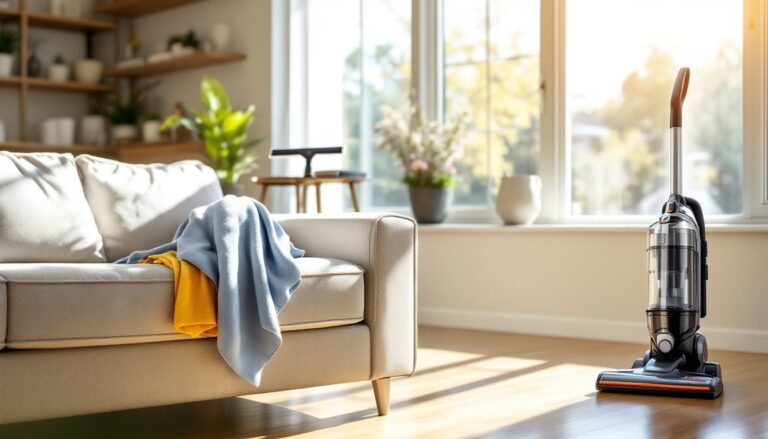
If you prefer to handle cleaning yourself, a systematic approach beats random scrubbing every time. The secret is consistency and the right tools: you need a microfiber cloth set (they outperform cotton rags for dust and streaks), a squeegee for glass and tile, a good vacuum with HEPA filtration (important for allergen control), and pH-neutral cleaners for hardwood and natural stone. Don’t cheap out on a vacuum, poor suction spreads dust rather than capturing it.
Start with decluttering. Toys, mail, and knick-knacks on surfaces slow you down dramatically. A quick 10-minute sweep through each room to clear horizontal surfaces cuts your actual cleaning time in half. Next, work top-down and back-to-front: dust falls downward, so clean shelves before the floor, and finish bathrooms and kitchen last since they’re the messiest. Martha Stewart’s detailed house cleaning guide covers room-by-room cleaning strategies that work well for homes of any size.
For Fishers’ hard water issues, keep white vinegar on hand. A 1:1 vinegar-and-water spray dissolves mineral deposits on faucets, shower heads, and glass without the harsh chemical smell of commercial hard-water removers. Let it sit for five minutes before wiping.
Room-By-Room Deep Cleaning Approach
Tackle one room fully before moving to the next, it keeps you focused and prevents the scattered frustration of bouncing between spaces. Bathrooms take the longest: apply toilet bowl cleaner and let it sit while you spray the shower and tub with a mildew-fighting cleaner (Fishers’ humidity can encourage mold, especially in poorly ventilated bathrooms). While that sits, wipe mirrors and fixtures, then scrub the toilet and shower. Squeegee the shower door or curtain.
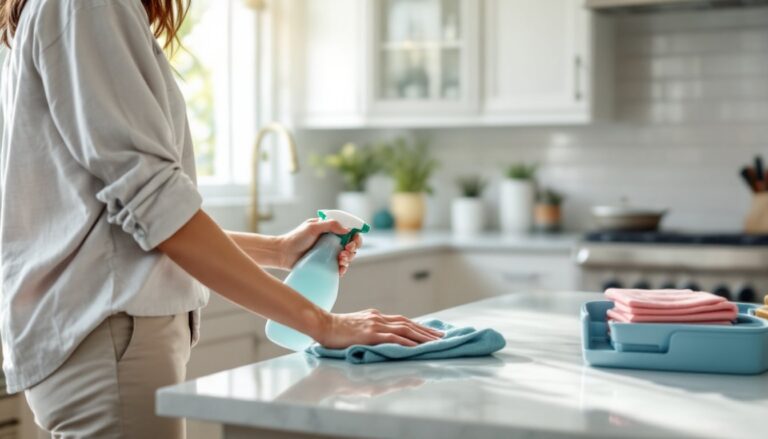
Kitchens require the most discipline on grease. Wipe down appliances and the cooktop first, grease sets over time and becomes harder to remove. Clear the sink, then tackle the microwave (steam it with a bowl of water and vinegar for two minutes, then wipe). Save the floor for last since crumbs and spills collect there.
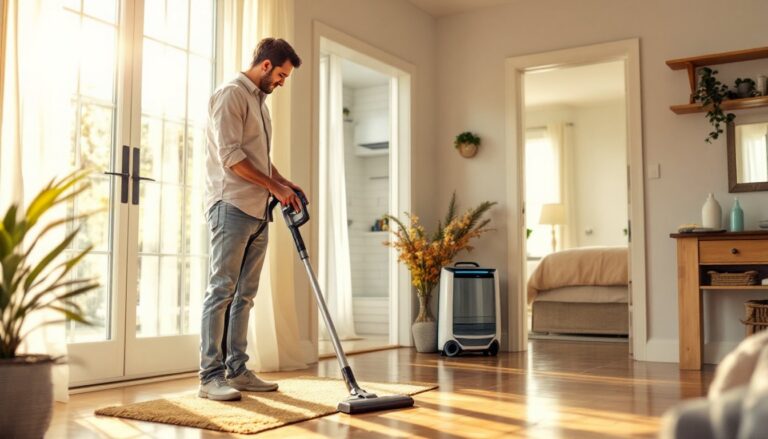
Bedrooms and living spaces are usually quickest: dust surfaces, vacuum thoroughly (paying special attention to under the bed and behind furniture where dust settles), and straighten. The Spruce offers home improvement how-tos including additional cleaning guidance and seasonal home maintenance tips that apply well to Indiana properties.
Hardwood floors in Fishers homes demand care, the moisture swings from seasonal changes can cause expansion and contraction. Use a damp (not wet) microfiber mop and a hardwood-specific cleaner. Never puddle water on wood. For stone or tile, a pH-neutral cleaner prevents etching and discoloration.
Best Cleaning Products & Tools For Indiana Homes
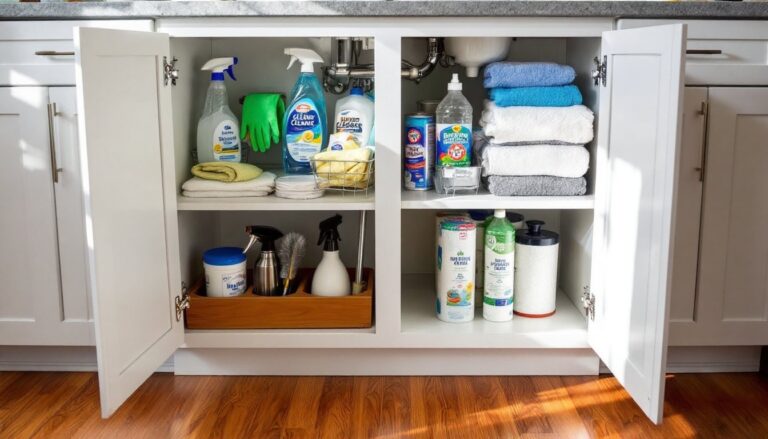
Indiana homes face specific challenges, so product choices matter. For hard water: white vinegar, citric acid-based cleaners, or commercial hard-water removers like Bar Keeper’s Friend (safe on stainless steel and most surfaces when diluted). For dust and allergens: a HEPA-filter vacuum is non-negotiable: it captures particles that regular filters let pass back into the air.
Microfiber cloths beat cotton or paper towels, they lift dust electrostatically rather than pushing it around. Buy a bulk pack and keep them separate by room (bathroom cloths separate from kitchen). A squeegee costs $3–5 and removes 90% of water spots from glass and tile when used after cleaning: it’s the fastest way to prevent mineral buildup in Fishers’ hard water.
For floors: a damp-mop system (like Bona Hard-Surface Floor Cleaner for wood, or a pH-neutral tile cleaner for ceramic) beats generic all-purpose cleaners that often leave residue. For bathrooms: keep a mold-and-mildew spray on hand, Fishers’ humidity makes preventive spraying worthwhile weekly in showers and around exhaust fans.
Skip bleach on most surfaces: it’s unnecessarily harsh and can etch tile or damage grout. Hydrogen peroxide works well for mold and is gentler on finishes. Real Simple’s comprehensive house cleaning guide includes detailed product recommendations and step-by-step cleaning methods for specific surfaces.
Seasonal Cleaning Tips Tailored To Fishers Weather
Fishers experiences four distinct seasons, each bringing different cleaning demands. Spring means pollen and dust accumulated over winter. A full exterior pressure-wash on siding and a driveway scrub removes winter grime before it settles into finishes. Inside, wash windows thoroughly (they trap pollen), vacuum baseboards and light fixtures, and run air-conditioner filters, if you haven’t changed your HVAC filter since October, that’s your first spring chore.
Summer brings humidity, mold risk, and increased foot traffic. Run exhaust fans during and after showers, wipe down bathroom surfaces weekly, and pay attention to areas near exterior doors (they dry slowly in humidity). Keep interior moisture in check, use dehumidifiers in basements.
Fall requires gutter cleaning before winter (leaves clogging gutters cause ice backup and water damage). Deep-clean under and behind furniture that you moved for summer, and wash windows again before the heating season locks in dust.
Winter is harder on floors, salt and water tracked in from outside stain and damage hardwood and tile. Place runners at entry points, wipe feet, and mop frequently. Interior heating dries the air, which can stress hardwood joints: this is normal, not a cleaning failure. Use a humidifier if your home feels too dry.
Creating A Sustainable Cleaning Schedule
Random cleaning leads to burnout and missed spots. A schedule prevents that. Start with a weekly baseline: vacuum high-traffic areas, wipe kitchen and bathroom counters, clean toilets, and do dishes daily (or load the dishwasher). These five tasks take 30–45 minutes if your home is tidy, and they prevent deep grime from accumulating.
Bi-weekly deep tasks: mop all floors, clean inside the microwave, wipe down appliances, dust baseboards and light switches. Monthly: clean inside the refrigerator, wipe cabinet fronts, deep-clean one bathroom (grout scrubbing, tile deep-clean), and vacuum under furniture. Quarterly (seasonal): wash windows, clean out gutters, pressure-wash exterior, and refresh caulk if needed.
Use a checklist, write it on a whiteboard in your laundry room or use a phone app. Check off tasks as you complete them. This sounds pedantic, but it removes decision fatigue and ensures nothing falls through the cracks for months. If you miss a week, you catch up the next week rather than suddenly realizing your bathrooms haven’t been scrubbed in two months.
Many Fishers homeowners find that committing to 15 minutes of daily tidying (picking up, wiping surfaces, returning items to their homes) eliminates the need for marathon weekend cleaning. Build the habit, and the rest follows naturally.
Conclusion
Whether you go professional or DIY, consistent, intentional cleaning beats sporadic deep-cleaning marathons. Fishers homeowners benefit from understanding their climate challenges, hard water, humidity, seasonal pollen, and choosing products and schedules accordingly. A system you’ll actually follow beats a perfect plan you abandon. Start with weekly basics, add seasonal adjustments, and reassess every few months to see what’s working.