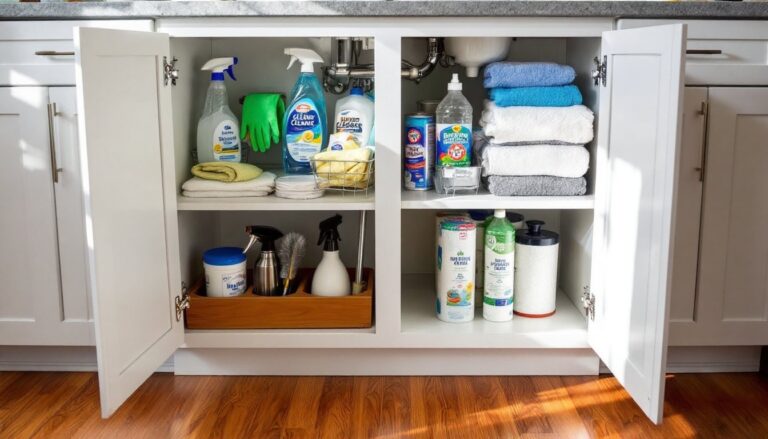

Kansas City homeowners face a unique cleaning landscape shaped by the region’s humid summers, variable spring weather, and distinctive architectural styles. Whether you’re managing a turn-of-the-century brick home in Midtown or a modern ranch in Overland Park, keeping your space clean requires both strategy and the right approach. This guide walks you through the Kansas City cleaning service market, helps you evaluate professional options, and provides tested DIY tactics tailored to local conditions. You’ll learn how to budget effectively, understand what matters most in a cleaning company, and tackle the seasonal challenges that plague Kansas City homes year-round.
Table of Contents
ToggleKey Takeaways
- Professional house cleaning Kansas City services range from $150–$400 per visit, with weekly services costing less per appointment than one-time deep cleans.
- Select reputable cleaning companies by verifying Google Maps and Yelp reviews, confirming at least 3 years of local operation, and requesting written estimates with a detailed scope of work.
- Kansas City’s humid climate demands preventive maintenance: use squeegees after showers, run exhaust fans 15 minutes post-use, and address mold immediately to prevent wall damage.
- Invest in quality tools like HEPA-filter vacuums and microfiber cloths that outperform budget alternatives, and match pH-neutral cleaners to delicate surfaces like limestone and hardwood.
- Combine professional quarterly deep cleaning with weekly DIY maintenance to balance cost and time while keeping your home in strong condition year-round.
- Adjust your cleaning schedule seasonally to address Kansas City’s spring dust storms, hard water deposits, and summer humidity that amplifies pet odors and mold growth.
Understanding the Kansas City Cleaning Service Market
Kansas City’s cleaning industry has grown substantially over the past five years, with more specialized services emerging to meet homeowner demand. The market includes everything from national franchises to independent operators, each offering different levels of service and pricing models. Local companies often understand regional challenges better, they know how humidity affects upholstery, how seasonal dust storms impact window cleaning, and which materials work best on Kansas City’s variety of foundation types.
The average cost for a professional cleaning in the Kansas City metro ranges from $150 to $400 for a single visit, depending on home size, frequency, and service level. Weekly services typically cost less per visit than one-time deep cleans. The market is competitive enough that you have real options, but saturated enough that quality varies significantly. Understanding what separates reliable operators from fly-by-night services is critical before you hand over your keys and security deposit.
Finding the Right Professional Cleaning Company
Start by reading verified reviews on Google Maps, Yelp, and Angie’s List, Kansas City residents are vocal about service quality, and patterns emerge quickly. Look for companies that have been operating locally for at least three years: longevity suggests they’ve solved the operational problems that sink startups. Check whether they’re insured and bonded: this protects your home and indicates they take their business seriously.
Before committing, ask for a walkthrough estimate rather than a phone quote. A professional should inspect your home, note specific challenges (pet hair buildup, hard water stains, old grout), and provide a written scope of work. This also gives you a feel for their communication style and attention to detail. Don’t default to the cheapest quote, the lowest bidder often cuts corners on time per room or product quality.
What to Look for in a Reputable Service
Reputable Kansas City cleaning companies clearly define what’s included in their standard service. Ask whether they supply their own products or use yours, whether they bring their own equipment, and how they handle breakage or damage. A legitimate company should have a written contract that spells out frequency, price, cancellation policy, and what happens if you’re unsatisfied.
Ask about their training process. Do they train staff on different floor types, stone care, and upholstery handling? Do they use microfiber cloths and HEPA filters, or just whatever is cheapest? Industry leaders like those referenced in comprehensive home improvement guides emphasize the importance of proper technique over volume-based scheduling. Request references from neighbors or other Kansas City residents if possible, personal recommendations carry more weight than polished websites.
Essential DIY Cleaning Tips for Kansas City Homes
If you’re managing your own cleaning or supplementing professional service, focus on prevention and consistency. Establish a routine: vacuum high-traffic areas twice weekly, wipe down kitchen surfaces daily, and schedule deep cleaning quarterly. This rhythm prevents buildup and makes intensive work manageable when it comes time.
Invest in proper tools. A quality HEPA-filter vacuum removes the fine dust that Kansas City winds deposit: a basic model recirculates particles. Microfiber cloths and mop pads outperform cotton versions on hard floors and cut your cleaning product use in half. For grout and tile, a stiff brush and targeted cleaner work better than generic scrubbing: products like oxygen-based bleach are safer than chlorine around pets and finishes.
Understand your surfaces. Limestone, granite, and marble require pH-neutral cleaners, acidic vinegar will etch them. Hardwood floors hate excess moisture: wring mop heads nearly dry and use floors designed specifically for wood. Home organization and cleaning hacks from trusted sources emphasize the importance of matching product to material rather than using one universal cleaner.
Tackling Kansas City’s Unique Climate Challenges
Kansas City’s humidity breeds mold and mildew faster than drier regions. Bathrooms need attention: extract moisture after showers with a squeegee, wipe down walls after bathing, and ensure exhaust fans run during and 15 minutes after use. If mold appears in grout or caulk, don’t ignore it, address it immediately with mold-specific spray before it spreads into walls.
Spring storms and seasonal dust require intentional maintenance. After high winds, dust settles on baseboards, window sills, and blinds: a quick pass every other week prevents deep accumulation. Hard water from Kansas City’s mineral-heavy supply leaves deposits on faucets, shower doors, and fixtures. Keep a bottle of white vinegar or commercial hard water cleaner handy for weekly wipe-downs: this prevents the encrusted buildup that requires aggressive scrubbing later.
Seasonal transitions matter too. Fall means more tracked-in dust and debris: vacuum under furniture and in corners. Winter brings mud and salt residue from walks and driveways. Summer humidity amplifies pet odors if you have carpet. Adjust your cleaning schedule around these patterns rather than using the same approach year-round. Tested home product recommendations provide guidance on selecting tools and cleaners proven to handle regional conditions effectively.
Cost Considerations and Budgeting
Budget for cleaning as a recurring expense, not an occasional splurge. If hiring professionals, monthly service runs $600–$1,600 depending on home size and frequency: bi-weekly service costs roughly 70% more than weekly but less per visit. One-time deep cleans are costlier ($400–$800) because they’re labor-intensive and don’t benefit from established systems.
If you’re doing it yourself, initial tool investment is $200–$400 (vacuum, mop, microfiber supplies, basic cleaners) but lasts years. Ongoing supply costs run $20–$50 monthly. The real cost is time: a 2,000-square-foot home takes 4–6 hours to clean thoroughly, or 2–3 hours for maintenance cleaning if you’re consistent.
Combining approaches often makes sense: hire professionals quarterly or monthly for deep cleaning (baseboards, windows, inside appliances) and maintain it yourself weekly. This balances cost and time while keeping your home in strong condition. Get written quotes from at least three local companies before deciding, and ask whether they offer discounts for longer contracts or off-peak scheduling.
Conclusion
Kansas City homeowners have solid options whether they hire professional cleaners or maintain their homes themselves. The key is matching your approach to your lifestyle, budget, and home’s specific needs. Understand local climate challenges, choose quality tools and products over shortcuts, and establish routines that prevent crises. Whether you’re delegating to a trusted service or rolling up your sleeves, consistency and attention to detail deliver cleaner, healthier homes.