
Cleaning a home in Charlotte means dealing with more than just dust and clutter. The city’s subtropical climate, with humid summers, moderate winters, and the constant presence of pollen from nearby trees and landscaping, creates unique challenges that northern homeowners might not face. Between the red clay that tracks in on shoes, the mildew that thrives in moisture, and the fine dust that settles on every surface, Charlotte homeowners need a tailored approach to keep their spaces fresh and healthy. This guide walks through the seasonal realities of house cleaning in Charlotte, shows you which supplies actually work here, breaks down an efficient room-by-room strategy, and helps you decide whether a professional service makes sense for your situation.
Table of Contents
ToggleKey Takeaways
- Charlotte’s humid subtropical climate creates unique house cleaning challenges including mold, mildew, pollen accumulation, and red clay tracking that require tailored cleaning strategies.
- HEPA filter vacuums, microfiber mops, antimicrobial cleaners, and dehumidifiers are essential supplies for managing Charlotte’s moisture and allergen-heavy environment.
- A top-to-bottom, back-to-front room-by-room approach combined with weekly vacuuming, bathroom mildew prevention, and daily entryway mat cleaning prevents re-work and keeps allergens under control.
- Seasonal maintenance matters: increase vacuuming during spring and fall pollen peaks, run exhaust fans year-round to reduce humidity, and perform deep cleaning twice yearly to prevent moisture buildup.
- Professional house cleaning services in Charlotte ($100–$300 for deep cleans) make financial and health sense if you have allergies, mobility limits, or struggle with mold despite DIY efforts.
- Daily 30-minute tidying, consistent weekly checklists, and preventive measures like caulking, gutter maintenance, and air purifier use are more sustainable than periodic intense cleaning marathons.
Why Charlotte’s Climate Makes House Cleaning Unique
Charlotte’s humid subtropical climate is beautiful, but it demands respect when it comes to home maintenance. The air here holds moisture most of the year, creating an ideal environment for mold, mildew, and dust mites. Summer temperatures regularly exceed 85°F with humidity levels above 60%, which means moisture seeps into closets, bathrooms, and basements faster than it would in drier regions.
The other factor is pollen. Charlotte sits in an area with diverse tree coverage, and tree pollen counts spike in spring while ragweed and mold spores peak in fall. This means dust accumulation is heavier and more frequent than in many other regions. Red clay soil, common throughout the Piedmont region, also tracks into homes easily and clings to floors and entry areas. Unlike lighter-colored dust, it stains grout and light carpeting quickly if not addressed promptly.
Winter brings fewer challenges but still requires attention. Mild winters mean heating systems run less aggressively, so homes don’t dry out as much as in colder climates. This keeps humidity elevated even in the off-season. Understanding these patterns helps homeowners time their cleaning efforts and choose the right products for the job.
Essential Cleaning Supplies Every Charlotte Home Needs
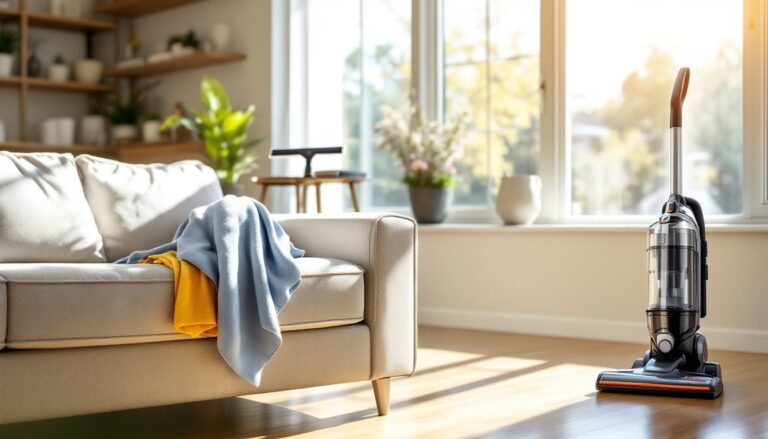
Stock your Charlotte home with supplies that handle humidity, pollen, and red clay. Start with a good vacuum designed for high-traffic homes and allergenic dust. A HEPA filter vacuum traps fine particles and helps reduce airborne allergens. Empty or replace filters monthly, clogged filters lose suction and push fine particles back into the air.
For hard floors, a microfiber dust mop works better than traditional cotton mops in humid climates. Microfiber attracts and holds dust particles without requiring excessive moisture, which is critical in Charlotte’s climate. For wet cleaning, use a neutral pH floor cleaner: acidic cleaners can etch some stone, while alkaline products leave residue on hardwood.
Bathrooms and basements need mold and mildew prevention. According to The Spruce, bathroom ventilation combined with antimicrobial cleaners designed for humid environments keeps surfaces healthier. A spray bottle with white vinegar (one part vinegar to three parts water) works on non-porous surfaces like tile, though it won’t kill embedded mold in grout. For grout, a commercial mold inhibitor or oxygen-based cleaner (like bleach-free options) penetrates better.
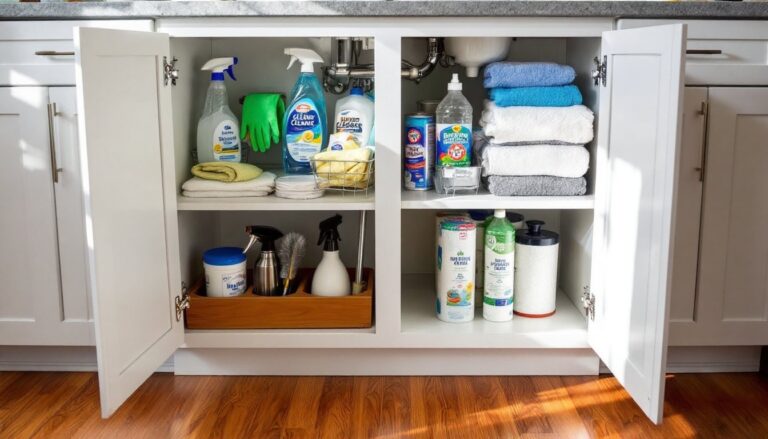
Keep dehumidifiers on hand for damp seasons, especially in basements. Maintain indoor humidity below 50% to slow mold and dust mite growth. Air purifiers with HEPA filters, especially in bedrooms, noticeably reduce pollen and fine particulates. Finally, stock microfiber cloths, pH-neutral all-purpose cleaner, and entry-area mats to catch red clay before it spreads through the house.
Room-by-Room Cleaning Strategy for Maximum Efficiency
Working through your home systematically saves time and prevents re-cleaning the same areas. Start at the top floor and work downward, and work from the back of the house toward the exit. This pushes dust toward areas you’ve already cleaned, not ahead of you.
Begin with bedrooms. Dust ceiling corners and light fixtures first (dust falls during this step). Strip and wash bedding weekly in warm water with a mild detergent, this removes dust mites and their allergens. Wipe down nightstands, dressers, and baseboards with a damp microfiber cloth. Vacuum thoroughly, using the crevice attachment along baseboards and under beds where dust accumulates.
Move to bathrooms next. Spray the shower and tub with a mildew-inhibiting cleaner and let it sit for 5–10 minutes while you clean the sink and toilet. This gives the spray time to work. Real Simple recommends cleaning the toilet bowl with a toilet brush and your chosen cleaner, then the outside surfaces with a disinfectant wipe. Squeegee the shower after use to reduce water spots and mildew growth. Wipe down mirrors with a streak-free glass cleaner.
Kitchens require attention to grease and food residue, which attract pests in humid climates. Wipe down counters, appliance fronts, and the stovetop daily. Weekly, clean the inside of the microwave and refrigerator shelves. Don’t forget baseboards and under the sink, moisture collects there, and spills can foster mold.
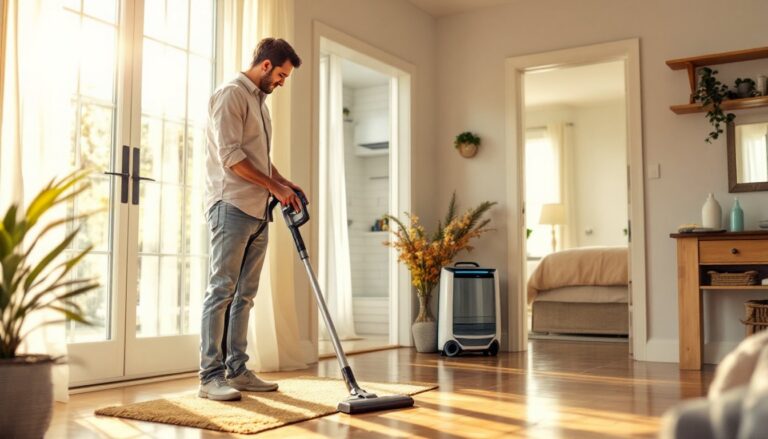
Living areas need regular dusting and vacuuming. Dust electronic screens carefully with a microfiber cloth: static cling helps capture dust without moisture. Entryways and mudrooms are critical in Charlotte. A sturdy entry mat and a basket for shoes contain red clay at the door. Wipe these areas daily to prevent staining.
Tackling Seasonal Dust and Humidity Issues
Spring brings pollen, so increase vacuuming frequency to twice weekly if you have allergies or asthma. Change HVAC filters monthly during pollen season instead of the standard three-month cycle. Summer’s heat and humidity spike mold growth, especially in bathrooms and under-sink areas. Run exhaust fans during and for 15 minutes after showers. Inspect grout lines monthly for early mold and treat immediately.
Fall ragweed and mold spores require the same increased vigilance as spring. Winter is your reprieve: humidity drops slightly, but don’t skip cleaning. Maintain your routine, consistency prevents buildup. Good Housekeeping emphasizes that regular cleaning is easier than recovery cleaning after moisture or mold issues develop. Deep cleaning twice yearly (spring and fall) tackles air ducts, ceiling fans, and baseboards where dust accumulates.
DIY vs. Professional Cleaning Services in Charlotte
Charlotte’s market includes numerous local cleaning services. DIY works well if you’re disciplined about weekly maintenance and don’t have severe allergies or mobility limits. You’ll save money and control which products are used in your home. But, weekly cleaning takes 2–3 hours for a typical single-family home, and many homeowners struggle to sustain it amid busy schedules.
Professional services handle deep cleaning, tackle mold-prone areas more aggressively, and work around your schedule. Hiring help makes sense if you have mobility issues, severe allergies (a cleaner can reduce exposure while they work), or a larger home. Charlotte services typically charge $100–$300 for a standard deep clean, depending on home size and frequency.
A hybrid approach works for many: hire professionals quarterly for deep cleaning, and maintain with weekly DIY upkeep. This balances cost and thoroughness. If you struggle with mold or mildew even though efforts, a professional-grade mold remediation service (different from regular cleaning) may be necessary, especially in basements or around HVAC systems. Budget $500–$2,000 for this depending on severity and scope.
Maintaining Your Clean Home Year-Round
Consistency is harder than intensity. A 30-minute daily tidy, dishes, quick floor sweep, clutter reset, prevents buildup that turns into an all-day weekend project. Focus on high-traffic areas and moisture-prone zones first.
Use a simple weekly checklist: vacuum all carpets, dust all surfaces, clean bathrooms, wipe kitchen appliances, and mop hard floors. This doesn’t take long if done regularly. Monthly tasks include cleaning inside the refrigerator, wiping down inside cabinets, and vacuuming air vents. Seasonally (spring and fall), deep clean one room per week rather than trying to tackle the whole house at once.
Invest in preventive measures. Exhaust fans, dehumidifiers, air purifiers, and entry mats reduce the load on your cleaning routine. Caulk gaps around windows and doors to reduce moisture intrusion. Keep gutters clean so water drains properly away from the foundation and doesn’t seep into basements. Maintain your HVAC system with filter changes and annual professional inspection, a clogged filter reduces airflow and increases humidity indoors.
Storgage and organization matter too. Clutter collects dust and makes cleaning harder. Store seasonal items in sealed bins, use closet organizers, and clear countertops. This cuts cleaning time and makes it easier to spot moisture, pests, or mold issues early.
Conclusion
Charlotte’s humid subtropical climate demands a cleaning approach tailored to local conditions. By understanding why moisture, pollen, and red clay affect your home differently than other regions, stocking the right supplies, and maintaining a consistent cleaning rhythm, you’ll keep your home healthy and welcoming year-round. Whether you handle it yourself or bring in professional help, the goal is the same: a clean space where your family thrives even though Charlotte’s unique environmental challenges.