
Most homeowners keep a cleaning cabinet stuffed with half-empty bottles and products they’re not sure how to use. Building a practical house cleaning supplies list doesn’t mean buying everything on a shelf, it means picking the right tools and cleaners for the job. Whether you’re stocking a new home, replacing worn-out supplies, or simply looking to streamline what you have, this guide walks through the essentials, budget-friendly alternatives, and room-by-room needs. You’ll find straightforward recommendations tied to real surfaces and common household tasks, plus honest notes on where DIY solutions work and where commercial products earn their place in your arsenal.
Table of Contents
ToggleKey Takeaways
- A house cleaning supplies list should prioritize versatile essentials like all-purpose cleaner, disinfectant spray, floor cleaner, and microfiber cloths that handle roughly 80% of household tasks.
- Budget-friendly alternatives like baking soda, white vinegar, and castile soap work remarkably well for most cleaning jobs and significantly reduce chemical exposure and costs over time.
- Different surfaces require specific products—hardwood needs pH-balanced cleaner, natural stone requires pH-neutral formulas, and laminate demands minimal moisture to prevent damage.
- Invest in quality tools like microfiber mops, extension dusters, and squeegees that reduce effort and improve results while lasting years longer than cheaper alternatives.
- Keep bathroom and kitchen supplies within arm’s reach, organized in labeled containers, and always test new products on hidden areas before applying to visible or delicate surfaces.
Essential Cleaning Basics Every Home Needs
Every home needs a core set of cleaners that handle most jobs without requiring a specialized product for every surface. Start with all-purpose cleaner, which cuts through general dirt, grime, and dust on hard surfaces. Look for concentrates or ready-to-use bottles: both work, though concentrates offer better value over time. Disinfectant spray or disinfectant wipes are essential if you have kids, pets, or high-touch areas like doorknobs and light switches. Pair this with a good floor cleaner suited to your flooring type, laminate, vinyl, and tile each perform differently with the wrong product, so read labels carefully.
Toilet bowl cleaner with a stiff-bristled toilet brush rounds out the bathroom basics. For glass and mirrors, glass cleaner or a 50/50 vinegar-and-water solution works equally well: the vinegar option saves money and works just as effectively. Keep microfiber cloths in several sizes, they’re far more effective than paper towels for streak-free surfaces and cost almost nothing per use. A dust mop or microfiber duster picks up airborne dust without scattering it, especially important if anyone in your home has allergies. Stock garbage bags in sizes matching your trash cans, and grab a hand brush and dustpan for quick crumb cleanups. These basics handle roughly 80% of household cleaning: specialty products fill the remaining gaps.
Budget-Friendly Alternatives and DIY Solutions
If your budget is tight or you prefer fewer chemicals, several household staples work remarkably well. Baking soda is a gentle abrasive and deodorizer, sprinkle it on carpets, let it sit 15–20 minutes, then vacuum. Mix it with a little water to make a paste for scrubbing surfaces without scratching. White vinegar cuts grease and mineral deposits better than many commercial products: use full strength on soap scum or diluted with water for general surfaces. Avoid using vinegar on natural stone or hardwood floors, as the acidity can damage finishes. Lemon juice has mild acid and a fresh scent: combine it with salt for a natural scrub on cutting boards.
For laundry stains, a paste of baking soda and hydrogen peroxide removes most set-in marks without bleach. Castile soap, a plant-based cleanser, dilutes well for floors and general cleaning. Agencies and professional cleaners have long recognized that mixing these inexpensive staples saves money while reducing chemical exposure in your home. The catch: these solutions take slightly longer and require a bit more elbow grease than some commercial formulas. Test any homemade cleaner on a hidden area first, especially on finished or delicate surfaces. Over time, keeping baking soda, vinegar, and castile soap on hand costs a fraction of stockpiling specialty bottles.
Kitchen Cleaning Supplies
Kitchens accumulate grease, food residue, and buildup faster than any other room, so keep dedicated supplies within arm’s reach. Degreaser spray is non-negotiable for stovetops, range hoods, and cabinet fronts: look for one that cuts heavy buildup without leaving a sticky residue. Bar keeper’s friend is a powdered cleanser that removes burnt-on food and mineral stains from stainless steel, glass cooktops, and enameled cookware, apply wet, let sit 1–2 minutes, then scrub gently. For sink and countertop stains, especially on light-colored surfaces, keep a bottle of oxygen-based bleach alternative instead of chlorine bleach, which can damage seals and harm finishes. Dish brush with stiff bristles handles pots and pans, and a smaller grout brush gets into corners and crevices around backsplashes.
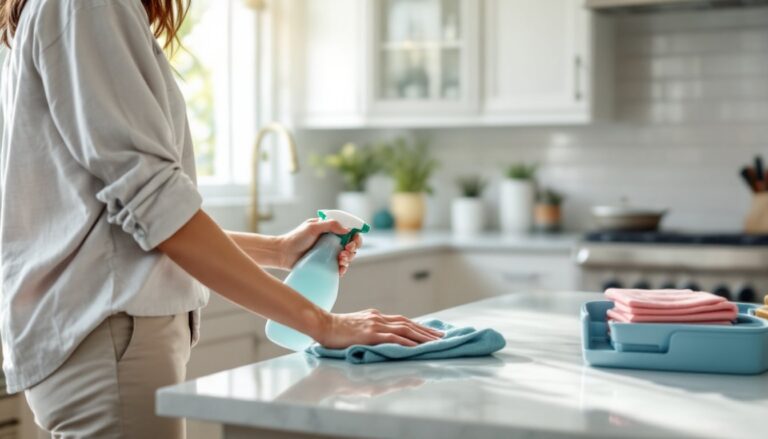
According to expert recommendations on household cleaning products, microfiber cloths specifically for the kitchen prevent lint and streaking on stainless steel. Keep paper towels handy for quick spill cleanup, they’re faster than cloths for greasy spots. For wood cutting boards and butcher block counters, a soft brush and mild soap with water work fine: avoid harsh chemicals that can soak into wood. If hard water marks cloud your sink or faucet, white vinegar sprayed and wiped removes mineral buildup in seconds. Label a bottle and keep it under the sink so it’s ready when needed.
Bathroom Cleaning Supplies
Bathrooms need supplies that tackle mold, soap scum, and hard-water stains while keeping the space sanitized. Bathroom cleaner with bleach or a non-bleach disinfectant spray kills mold and mildew spores on tile and grout. If mold returns frequently in corners or around the tub, the real issue is ventilation, run the exhaust fan during and 20–30 minutes after showers, or crack a window. For stubborn soap scum on glass shower doors, use white vinegar applied full strength: let it sit 10 minutes before scrubbing. Pumice stones or pumice sticks remove rust stains and hard-water rings from porcelain without harsh chemicals, wet the stone and rub gently.
Toilet bowl cleaner with a brush is essential: modern formulas cling to the bowl long enough to kill bacteria and break down stains. Keep a pair of rubber gloves dedicated to the bathroom, they protect your hands and give you grip for scrubbing. A grout brush or old toothbrush gets into tile seams where mold hides. For exhaust fan grilles and vents, dust accumulates year-round: use a brush or cloth to wipe monthly. Cleaning experts consistently recommend keeping disinfectant wipes in the bathroom for daily spot-cleaning high-touch areas like faucets and light switches. Stock disposable gloves alongside your supplies so family members don’t track mildew-removing chemicals on their hands.
Specialty Supplies for Different Surfaces
Different flooring and finishes require careful product selection. Hardwood floor cleaner is pH-balanced to avoid water damage and film buildup: never use vinegar or all-purpose cleaner on sealed hardwood, as they can leave spots or compromise the finish. Laminate floor cleaner is thinner than hardwood cleaners, use it sparingly since laminate can’t absorb moisture. Tile and grout cleaner is slightly acidic to dissolve mineral deposits without etching the tile itself. Natural stone floor cleaner (for marble, granite, or limestone) must be pH-neutral: acidic cleaners etch stone permanently.
For furniture and upholstery, upholstery cleaner is formulated to lift stains without saturating fabric. Test any cleaner on a hidden seam first since some fabrics discolor. Leather needs leather cleaner and conditioner designed for the hide: regular furniture cleaner leaves it stiff and cracked. Wood furniture polish maintains finish and protects against dust, though simple microfiber cloths work just as well for dusting between polishing sessions. For stainless steel appliances, dedicated stainless steel cleaner follows the grain and resists fingerprints better than general-purpose spray. If you own home decor items in mixed materials, reclaimed wood, stone, or specialty finishes, label your bottles clearly so family members apply the right product to the right surface. A quick mistake with the wrong cleaner can undo finishes or stain porous materials permanently.
Tools and Equipment That Make Cleaning Easier
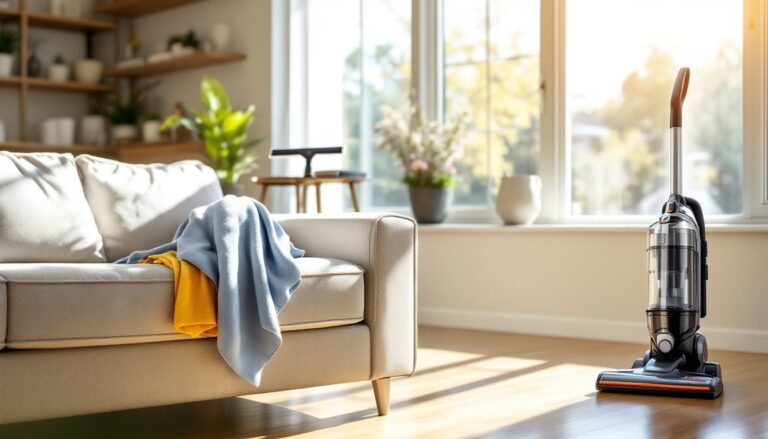
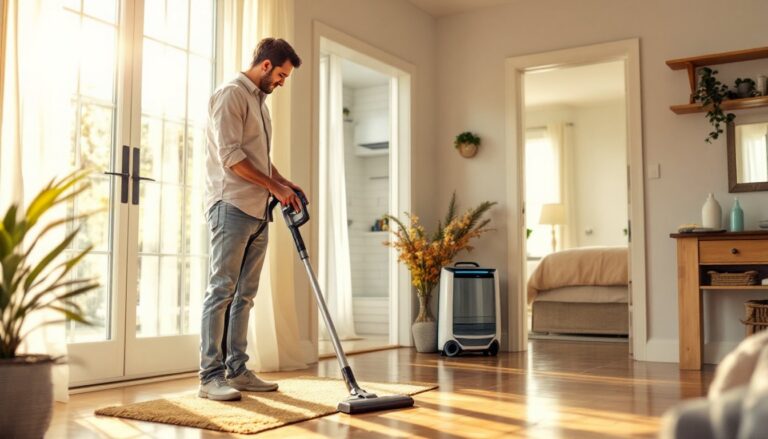
The right tools reduce effort and improve results. A microfiber mop with a swivel head and bucket system beats dragging a traditional mop: wringing is easier, and microfiber picks up dust, pet hair, and debris without leaving residue. Squeegees for shower walls prevent water spots and mold buildup when used after each use. A hand vacuum or stick vacuum handles stairs and tight corners faster than a full-sized upright. Caddy or basket keeps supplies organized and portable so you’re not running between rooms gathering bottles.
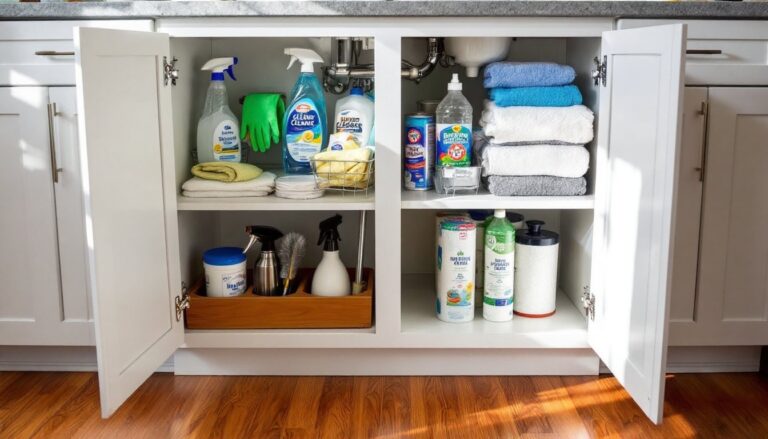
Extension duster with replaceable microfiber pads reaches ceiling fans, high shelves, and corners without a ladder. Scrub brush with adjustable handles reduces bending and back strain. Squeezable spray bottles for your homemade cleaners eliminate buying commercial bottles repeatedly. Rubber gloves in several pairs protect your hands from bleach, disinfectants, and extended water exposure. Wear goggles if splashing is likely when mixing or applying strong cleaners, a splash of bleach in your eye is an emergency. Keep supplies in labeled plastic bins under sinks or in closets so everything stays organized and anyone in the household knows where to find what they need. Quality tools cost more upfront but last years, making them smarter investments than cheap alternatives that fall apart mid-project.
Conclusion
A practical cleaning supplies list centers on versatile essentials, not an overwhelming shelf of specialty bottles. Start with all-purpose cleaner, disinfectant, floor cleaner, and basic tools, then add room-specific products as needed. Budget for baking soda, vinegar, and microfiber cloths, they’re workhorses that earn their place in every home. Keep things organized, label what you have, and don’t be afraid to test a new product on an inconspicuous area before committing. A well-stocked but thoughtfully chosen cabinet makes weekly cleaning faster, less frustrating, and genuinely effective.