
Oklahoma City’s climate, hot summers, occasional dust storms, and seasonal pollen surges, puts extra demands on home cleanliness. Between red dirt tracked indoors and humidity that breeds mold in the wrong spots, keeping an OKC home clean requires strategy, not just elbow grease. This guide walks through the essentials every homeowner in the metro area needs: the right tools, a realistic schedule, and smart techniques that account for local conditions. Whether you’re tackling weekly maintenance or planning a deep clean, these practical steps help you maintain a fresh, healthy home year-round.
Table of Contents
ToggleKey Takeaways
- House cleaning in OKC demands a strategic approach due to red dust, pollen, and humidity that accelerate mold and allergen buildup year-round.
- HEPA-filter vacuums and microfiber cloths are essential tools for OKC homeowners, capturing fine dust and pollen better than standard alternatives.
- A consistent daily and weekly cleaning schedule prevents costly repairs: 5–10 minutes daily and 2–3 hours weekly beats marathon weekend cleaning sessions.
- Bathrooms and kitchens require extra attention in OKC—run exhaust fans 20–30 minutes after showers and address hard-water deposits with mild acid-based cleaners to prevent mold.
- Natural cleaning solutions made from vinegar, baking soda, and essential oils cost pennies, protect respiratory health during allergy season, and replace dozens of commercial products.
Why Regular House Cleaning Matters In OKC’s Climate
OKC’s distinctive weather creates unique cleaning challenges. The region experiences significant dust and pollen, especially during spring allergy season and after windy days when red Oklahoma soil becomes an indoor nuisance. Humidity levels in summer can spike into the 70–80% range, creating conditions where dust mites, mold, and mildew thrive, particularly in bathrooms, basements, and around HVAC systems.
Regular cleaning isn’t just about aesthetics: it’s a health investment. Dust accumulation exacerbates allergies and respiratory issues, and mold growth can compromise indoor air quality. OKC homeowners who establish a consistent cleaning routine report fewer allergy flare-ups and lower HVAC maintenance costs because filters stay cleaner longer. Setting a regular schedule prevents small problems, a corner with early mold, accumulated dust on ceiling fans, from becoming expensive repairs.
Essential Cleaning Supplies And Tools Every OKC Homeowner Needs
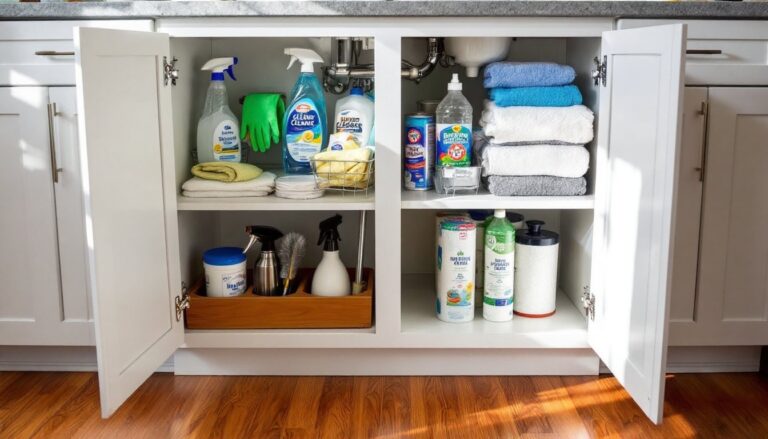
You don’t need a closet full of specialty products. A solid foundation includes:
Cleaning Basics:
• All-purpose cleaner (effective on most surfaces: test on delicate finishes first)
• Glass cleaner (essential for OKC dust and hard-water spots)
• Disinfectant spray or wipes (bathroom and kitchen focus)
• Bathroom tile cleaner or mild acid-based cleaner (tackles hard-water deposits)
• Degreaser (kitchen stovetop and exhaust hood)
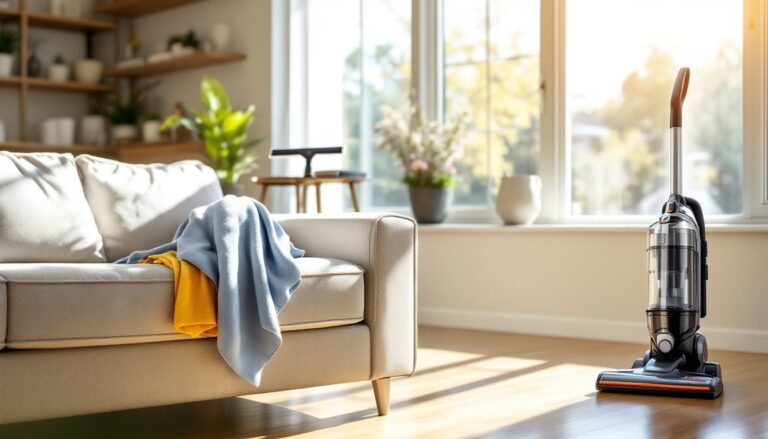
• Vacuum with HEPA filter (captures fine dust and pollen)
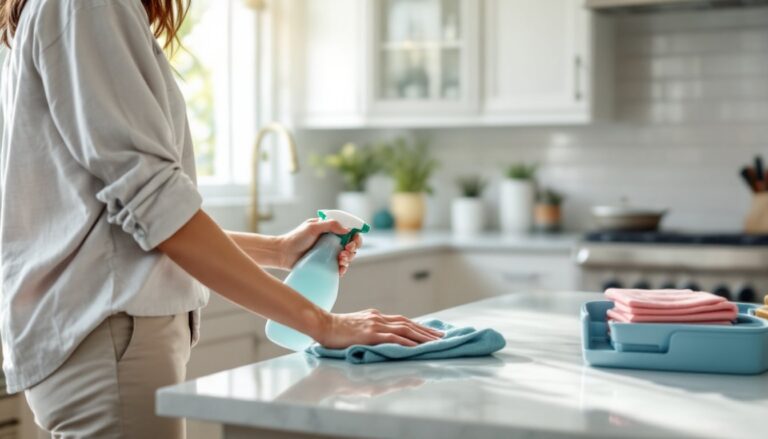
• Microfiber cloths (reusable, trap dust without scratching)
• Mop and bucket (microfiber mop heads work better than cotton)
• Broom and dustpan (catches debris on tile and hard flooring)
Optional but Worthwhile:
• Grout brush or old toothbrush (detail work)
• Squeegee (prevents water spots on glass and mirrors)
• Extendable duster (reaches ceiling fans and baseboards without a ladder)
Microfiber cloths are a game-changer in OKC: they grab fine red dust particles better than cotton rags. Buy a multi-pack and rotate them through weekly washing. HEPA filters on vacuums matter here, they trap pollen and dust mites that standard filters let recirculate. According to resources like The Spruce, quality filter systems reduce allergen levels noticeably within two weeks of consistent vacuuming.
Room-By-Room Cleaning Strategy For Maximum Efficiency
Kitchen And Bathroom Deep Cleaning Tips
Kitchens and bathrooms demand more attention because they see grease, moisture, and heavy use. Start kitchen cleaning from top to bottom: wipe down exhaust hood filters monthly (OKC’s dust settles fast on grease), then clean stovetop, counters, and sink. Hard-water deposits on faucets and in sinks are common in OKC: use a mild acid-based cleaner (like diluted white vinegar or a commercial bathroom cleaner) and let it sit for 5–10 minutes before scrubbing. Don’t skip the microwave interior, splatters accumulate quickly, and steam loosens them for easy wiping.
For bathrooms, ventilation is critical. Run the exhaust fan during and 20–30 minutes after showers to reduce mold risk in OKC’s humid months. Wipe down wet surfaces (shower walls, tub surround) immediately after use, or mold can establish itself within 48 hours. Monthly, use a grout brush and mild cleaner to prevent mold from setting into tile grout. Bleach-free mold cleaners work just as well and are gentler on grout. Good Housekeeping recommends checking under sinks monthly for early moisture damage, a small leak can turn into a structural problem if missed.
Living Spaces And Bedroom Organization
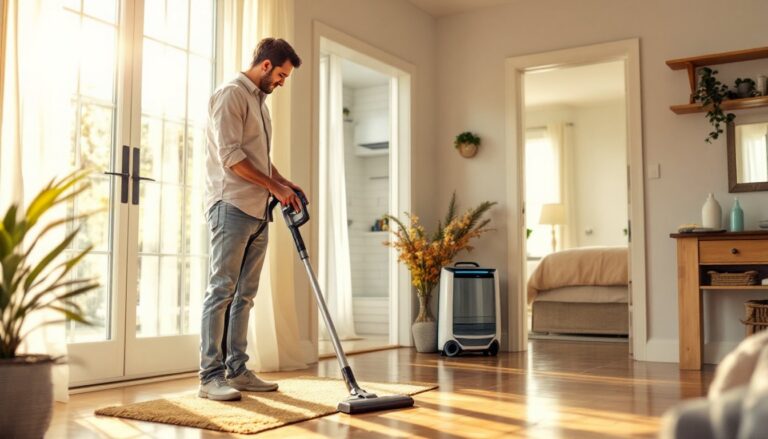
Living rooms and bedrooms gather dust quickly because of OKC’s outdoor pollution. Weekly vacuuming (including under furniture) and dusting baseboards, ceiling fans, and shelves prevents buildup. Bedrooms especially benefit from air purification: consider a portable HEPA-filter unit if anyone in the home has allergies. Dust mites thrive on fabric, so wash bedding weekly in hot water and vacuum mattresses monthly. Nightstands, dressers, and closet shelves collect dust: a quick wipe-down every two weeks keeps them fresh. For efficient cleaning, work top to bottom (dust falls downward) and move systematically through each room to avoid backtracking.
Creating A Cleaning Schedule That Works For Your Household
A schedule keeps cleaning from becoming an all-day weekend chore. Divide tasks by frequency: Daily (5–10 minutes: dishes, wipe kitchen and bathroom sinks, quick sweep of high-traffic areas), Weekly (2–3 hours: full vacuum, bathrooms, kitchen deep-clean, dust living areas), and Monthly (1–2 hours: baseboards, ceiling fans, grout, under appliances).
For OKC specifically, schedule extra attention during high-pollen months (April–May) and after dust storms. Mark a calendar reminder for quarterly deep-cleans, windows, inside appliances, and closets. If you have pets, add weekly hair cleanup and monthly furniture vacuuming. The key is consistency: a 20-minute daily routine beats a exhausting Saturday marathon. Real Simple research shows households that split tasks among family members (rather than one person handling everything) report lower stress and higher completion rates. Assign specific rooms to household members so accountability is clear.
DIY Natural Cleaning Solutions For OKC Homes
You don’t need harsh chemicals. Mix your own with common household items:
All-Purpose Cleaner: Combine 2 cups water, 2 tablespoons vinegar, and 10 drops dish soap in a spray bottle. Works on counters, mirrors, and most surfaces. (Avoid on natural stone: vinegar’s acidity can etch marble or granite.)
Bathroom Disinfectant: Mix 1 cup water with 10–15 drops tea tree oil or lavender essential oil. Tea tree has natural antimicrobial properties: it’s not as strong as bleach, but it handles routine bathroom cleaning well.
Degreaser for Stovetops: Combine baking soda with a little water to form a paste. Scrub onto greasy spots, let sit 10 minutes, then wipe. For stubborn buildup, add a few drops of dish soap.
Grout Cleaner: Make a paste with baking soda and hydrogen peroxide (3%). Apply, let sit 5–10 minutes, scrub with a grout brush, and rinse thoroughly.
These solutions are gentler on respiratory health (important in OKC’s allergy season), safer around pets and kids, and cost pennies. A gallon of white vinegar costs under $2 and replaces dozens of specialty cleaners. Always test natural solutions on inconspicuous surfaces first, some oils can stain light-colored grout or certain fabrics.