
Keeping a home clean in Annapolis requires more than just elbow grease, it demands a strategy that accounts for the region’s unique climate. The Chesapeake Bay area’s humid summers and moisture-rich air create specific cleaning challenges that generic how-to guides often overlook. Whether tackling weekly maintenance or seasonal deep cleans, Annapolis homeowners benefit from understanding what works best for their environment. This guide walks through practical cleaning methods tailored to local conditions, efficient room-by-room routines, and when calling a professional makes financial and practical sense.
Table of Contents
ToggleKey Takeaways
- Annapolis house cleaning requires humidity-specific strategies, especially mold and mildew prevention, since the Chesapeake Bay area’s moisture-rich environment creates unique challenges year-round.
- Stock essential supplies like white vinegar, baking soda, mold-fighting cleaners, and HEPA-filter vacuums to address hard water deposits and humidity-driven issues common in Annapolis homes.
- Establish a room-by-room routine starting from the top down, combining daily clutter control, weekly deep cleaning of high-moisture areas like bathrooms, and monthly maintenance to prevent costly repairs.
- Run exhaust fans for 20 minutes after showers and use a squeegee on shower walls immediately after use—these single habits dramatically reduce mildew growth in Annapolis’s humid climate.
- Use a hybrid approach: handle routine weekly or monthly cleaning yourself, and hire professionals quarterly for deep cleans, commercial-grade equipment, and high-risk tasks like cleaning multiple stories or large windows.
- Maintain indoor humidity below 50% using dehumidifiers and airflow, and address hard water stains promptly during spring months when mineral-heavy runoff peaks in municipal water supplies.
Why Professional vs. DIY Cleaning Matters for Annapolis Homes
Deciding whether to clean yourself or hire a professional isn’t just about budget, it’s about knowing your home’s specific needs and your available time. DIY cleaning lets you control timing, product choice, and attention to detail. You’ll catch small issues (mold spots, water stains, loose grout) before they become expensive repairs. For homeowners who enjoy the process or need flexibility, taking it on yourself can be rewarding.
Professional cleaning services excel when time is tight, allergies are a concern, or you need equipment like commercial-grade extractors and HEPA filters. In Annapolis, where humidity drives mold and mildew growth, professionals often have access to better dehumidification and antimicrobial treatments. If your home has high ceilings, multiple stories, or large windows, professionals can handle safety-critical work without risk. Many homeowners find a hybrid approach works best: DIY the routine weekly or monthly tasks, and hire professionals for quarterly deep cleans or seasonal maintenance. The key is understanding what you can realistically manage and what’s worth outsourcing.
Essential Cleaning Supplies Every Annapolis Homeowner Should Stock
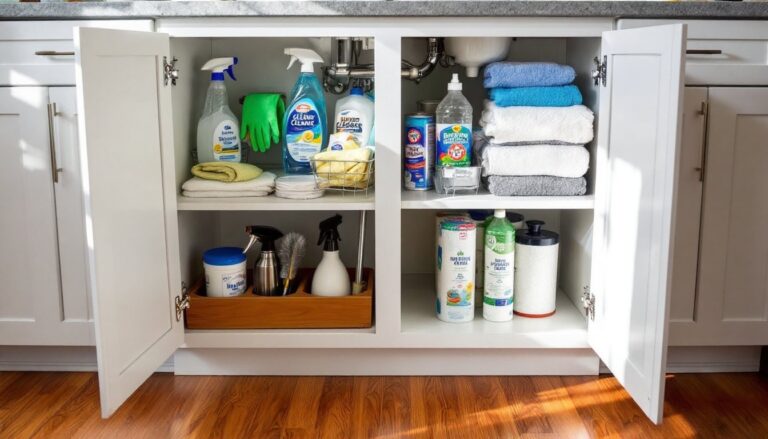
A well-stocked cleaning kit saves money and prevents frustrating mid-project hardware store runs. Here’s what every Annapolis home should have on hand:
All-Purpose Basics:
- Microfiber cloths and mop pads (more effective than cotton, reusable, durable)
- Squeegees for windows and shower doors
- Scrub brushes in various stiffness levels
- Broom, dustpan, and a wet/dry vacuum
- Mop with adjustable handle for hard floors
Cleaning Solutions:
- General-purpose cleaner (cutting through dust and light soil)
- White vinegar (deodorizing, mineral deposit removal, crucial in hard-water areas)
- Baking soda (mild abrasive, odor control)
- Dish soap (diluted, effective for grease)
- Bathroom-specific cleaner with mold and mildew inhibitors
- Toilet bowl cleaner with bleach or hydrogen peroxide
Humidity & Mold Control:
- Mold and mildew spray with antimicrobial properties
- Dehumidifier or moisture-control products for closets and basements
- Exhaust fan filters (replace or clean monthly in humid climates)
Safety Gear:
- Rubber gloves, eye protection, and respiratory mask when using chemical cleaners
Annapolis’s moisture-heavy environment means stocking mold and mildew treatments isn’t optional, it’s essential. Vinegar and baking soda handle mineral deposits from hard water effectively, and they’re inexpensive. Generic cheap cleaners often require more elbow grease: mid-range options usually offer better value.
Room-by-Room Cleaning Strategy for Maximum Efficiency
Working room by room prevents you from backtracking and keeps motivation high. Start at the top of your home and work downward (dust and debris fall, so clean upper floors first). Within each room, work top to bottom: ceiling, shelves, surfaces, then floors.
Daily or Weekly Routine:
- Clear clutter and pick up items off the floor (takes 10 minutes, prevents mess buildup)
- Dust surfaces and light fixtures
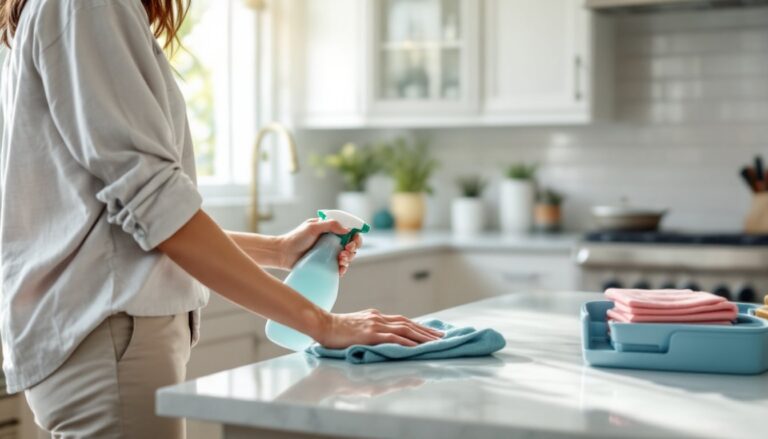
- Wipe down kitchen and bathroom counters
- Sweep or vacuum main traffic areas
- Spot-clean mirrors and windows as needed
Monthly Deep Clean:
- Clean baseboards and doorframes
- Wipe out cabinets and shelves
- Deep clean appliances (stovetop, microwave, refrigerator coils)
- Descale showerheads and faucet aerators
- Launder or replace HVAC filters
Tackling Kitchen Grease and Hard-Water Stains
Kitchen grease accumulates fast, especially on backsplashes and around stovetops. The Chesapeake region’s hard water leaves stubborn mineral deposits on faucets, sink surfaces, and inside coffee makers. Address these promptly, buildup becomes exponentially harder to remove over time.
Grease Removal:
Mix equal parts white vinegar and dish soap in a spray bottle. Apply to greasy areas, let sit for 5–10 minutes, then wipe with a microfiber cloth. For baked-on splatters, use a soft-bristle brush or non-abrasive scrubber to avoid damaging finishes. On stainless steel, wipe with the grain to prevent streaking. Wipe down the stovetop and backsplash weekly to prevent heavy buildup.
Hard-Water Stain Solutions:
White vinegar is your primary tool. Spray it on faucets, let it sit 15–20 minutes, then scrub with an old toothbrush. For heavy deposits inside kettles or coffee makers, boil white vinegar and water (50/50 ratio) for 5 minutes, then let soak and scrub. Baking soda paste works well on sink surfaces, apply, scrub gently in circular motions, and rinse well. Descaling showerheads and aerators once a month prevents flow reduction and keeps water pressure steady.
Bathrooms: Mold, Mildew, and Deep Cleaning Tips
Annapolis’s humidity makes bathroom mold and mildew nearly inevitable. Prevention beats remediation every time. Run exhaust fans during and for at least 20 minutes after showers to pull moisture out of the room. Wipe down shower walls and doors with a squeegee immediately after use, this single habit cuts mildew growth dramatically.
Weekly Bathroom Maintenance:
- Clean toilet bowl with commercial toilet cleaner
- Wipe mirrors and faucets with microfiber cloth
- Spray shower/tub with mold and mildew cleaner, let sit 5 minutes, then scrub
- Dry surfaces with a microfiber cloth to remove excess moisture
Monthly or Seasonal Deep Clean:
For grout and caulk, apply a mold-fighting bathroom cleaner with bleach or hydrogen peroxide, follow label instructions for contact time. A soft-bristle toothbrush works better than scouring pads for grout, reducing damage risk. If black mold spots persist even though regular cleaning, the underlying caulk may be compromised and need resealing or replacement by a professional. For tile grout, consider sealing it after cleaning: sealed grout resists mold attachment better. Clean exhaust fan filters monthly (dusty filters reduce ventilation effectiveness). Wipe down shower caulk and door tracks with vinegar weekly to prevent mildew establishment.
Managing Annapolis Humidity and Seasonal Cleaning Challenges
Annapolis humidity peaks May through September, and moisture is the root cause of mold, mildew, dust mite proliferation, and musty odors. Airflow is critical. Open windows on dry days, run ceiling fans, and keep air vents unobstructed. Use a dehumidifier in basements, bathrooms, or any room prone to moisture. Humidity should stay below 50% indoors: most health experts recommend 30–50% for comfort and mold prevention.
Seasonal challenges shift throughout the year. Summer humidity requires aggressive mold and mildew control, especially in basements and closets. Fall and spring bring higher pollen counts, vacuum weekly with HEPA-filter vacuums and dust surfaces with damp cloths (which trap pollen rather than spreading it). Winter brings salt residue from roads tracked indoors on shoes and car tires: place entry mats outside and inside doors, and wipe down entryways frequently.
Hard water deposits worsen in spring when mineral-heavy runoff enters municipal water supplies. Increase vinegar-based cleaning frequency during these months. Seasonal deep cleaning, usually spring or fall, is the time to clean inside appliances, descale pipes and fixtures, shampoo carpets (if you have them), and address neglected areas like ceiling fans and light fixtures. Real Simple’s home organization tips and Martha Stewart’s seasonal cleaning guides offer tested strategies for tackling seasonal shifts. In Annapolis specifically, building in humidity checks and mold prevention as part of your routine, rather than reacting after spots appear, keeps homes healthy and prevents expensive water damage repairs.
Conclusion
Successful house cleaning in Annapolis is about matching effort to local conditions rather than following generic advice. By understanding humidity’s role, stocking the right supplies, and working efficiently room by room, homeowners can maintain clean, healthy spaces year-round. Know when DIY works and when professional help makes sense. Start with daily and weekly routines, add monthly deep cleans, and adjust seasonally. The result: a home that handles Annapolis’s climate challenges without constant struggle.