
Massachusetts homeowners face unique cleaning challenges that differ from other regions, everything from relentless spring pollen to humidity that breeds mold and mildew. If you’re tackling house cleaning in Massachusetts, you’ll benefit from understanding what makes your climate special and how to adapt your approach accordingly. This guide walks you through the specific obstacles you’ll encounter, the tools and supplies you actually need, and a practical cleaning strategy that works with Massachusetts weather patterns, not against them. Whether you’re handling routine maintenance or preparing for seasonal changes, the tactics here will help you keep your home clean, healthy, and well-maintained year-round.
Table of Contents
ToggleKey Takeaways
- House cleaning in Massachusetts requires adapting to regional challenges like spring pollen, summer humidity, and winter salt tracking that demand season-specific strategies and tools.
- Use HEPA-filter vacuums twice weekly during pollen season, damp-microfiber cloths instead of dry dusting, and refresh HVAC filters monthly to combat Massachusetts’ heavy spring pollen from birch, oak, and maple trees.
- Combat humid Massachusetts summers by running bathroom exhaust fans for 20–30 minutes after showers, maintaining indoor humidity between 30–50% with dehumidifiers, and wiping down shower walls to prevent mold growth.
- Stock your cleaning arsenal with affordable basics like vinegar-and-water solutions, HEPA vacuums, microfiber cloths, and dilute bleach for mold prevention rather than expensive commercial products.
- Hire professional cleaning services for deep mold remediation, carpet and upholstery cleaning 1–2 times yearly, and high-access exterior work, while handling routine weekly maintenance yourself to prevent costly damage.
Understanding Massachusetts-Specific Cleaning Challenges
Massachusetts’ climate presents cleaning tasks that homeowners in drier regions never face. Spring brings heavy tree pollen, summer humidity invites moisture and mildew, and winter tracking of salt and grit onto floors becomes a daily headache. Understanding these regional challenges helps you prioritize your cleaning efforts and invest in the right solutions.
Spring Pollen and Seasonal Allergens
Spring pollen season in Massachusetts typically runs from March through May, with tree pollen counts reaching their peak in late April and early May. Birch, oak, and maple trees carpet the region, and their pollen settles on every surface, windows, siding, deck railings, and anything left outside. Indoor air filters become clogged faster than they would in low-pollen regions, and pollen works its way inside every time a door opens or a window is raised.
To combat this, homeowners need to refresh HVAC filters every 30 days during peak season instead of the typical 90-day interval. Vacuum carpets and upholstered furniture twice weekly using a HEPA-filter vacuum to trap allergen particles. Damp-microfiber cloths work better than dry dusting because they capture pollen rather than stirring it into the air. Don’t overlook baseboards, ceiling fans, and light fixtures, pollen accumulates anywhere air settles.
Humidity and Moisture Control
Massachusetts summers are humid, often hitting 70–80% relative humidity. That moisture creates ideal conditions for mold, mildew, and dust mites, all health hazards if left unchecked. Bathrooms, basements, and crawl spaces are obvious trouble spots, but humidity also affects closets, under-sink cabinets, and behind large appliances.
Bathroom ventilation fans need to run during and for 20–30 minutes after showers to pull moisture before it condenses on walls and windowsills. Exhaust fans should vent outside, not into attics or crawl spaces, where moisture becomes trapped. Wipe down shower walls and tub surrounds with a squeegee or cloth immediately after use to prevent mildew growth on grout and caulk. Basement areas require a dehumidifier during warm months: aim to maintain indoor humidity between 30–50%. Check windowsills and corners regularly for black mold spots, which signal moisture problems that cleaning alone won’t solve, you may need to address underlying drainage or ventilation.
Essential Cleaning Supplies and Tools You’ll Need
A well-stocked cleaning arsenal saves time and frustration. You don’t need premium brands or expensive gadgets, focus on reliable basics and a few specialized tools for Massachusetts-specific challenges.
Core Supplies:
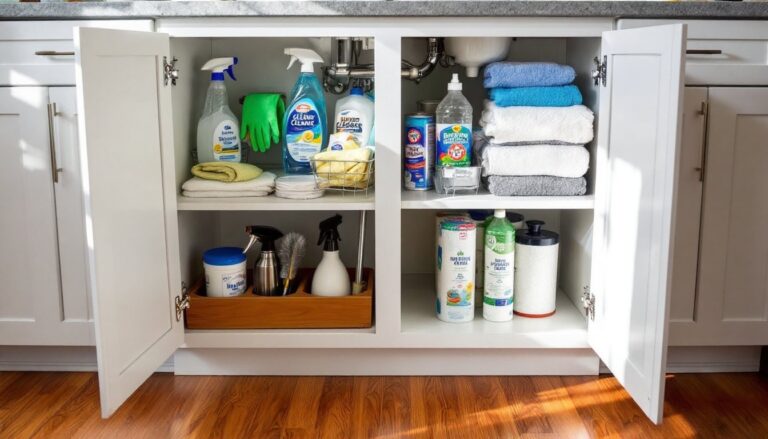
• All-purpose cleaner (homemade vinegar-and-water solution works for 95% of jobs)
• Bathroom cleaner with mold-fighting properties: look for products containing bleach or hydrogen peroxide
• Dish soap (a few drops in warm water cleans most surfaces)
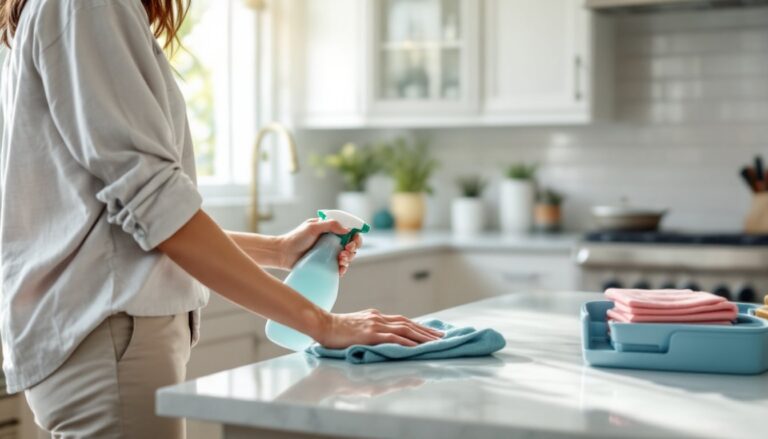
• Microfiber cloths (10–15 pack: they outlast paper towels and capture pollen efficiently)
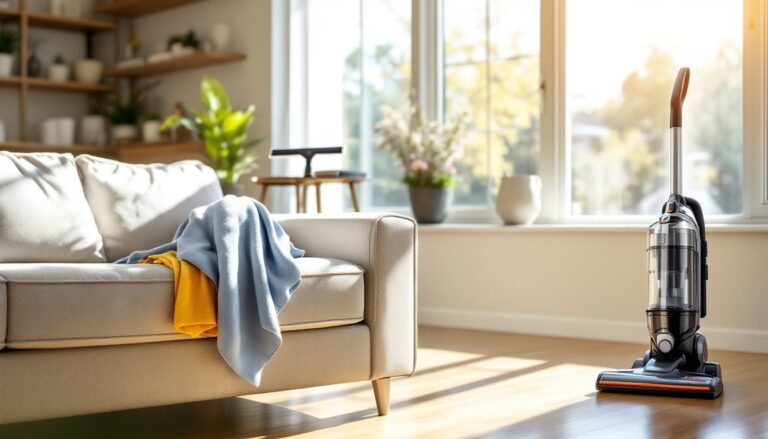
• Vacuum with HEPA filter (essential for allergy season)
• Damp mop or microfiber mop pads (trap dust better than traditional cotton mops)
• Grout brush or old toothbrush (crevices and tile lines trap moisture and pollen)
• Squeegee (prevents water spotting and mildew on glass and shower enclosures)
Specialty Tools for Massachusetts Homes:
• Dehumidifier for basements and damp closets (50-pint models handle typical basement square footage)
• Window squeegee for clearing pollen and condensation buildup
• Extendable duster (reaches ceiling corners where pollen and dust mite debris settle)
Skip the fancy gadgets and multi-surface wipes that dry out quickly. Plain vinegar, baking soda, and soap handle 90% of household cleaning jobs. For mold and mildew, a dilute bleach solution (1 part bleach to 10 parts water) beats most commercial products, though hydrogen peroxide alternatives exist if you prefer avoiding chlorine.
Room-by-Room Cleaning Strategy for Maximum Efficiency
Working methodically through your home prevents you from re-cleaning areas or missing spots. Start at the top of your house and work down, so dust and pollen fall onto floors you haven’t yet cleaned.
Upstairs Bedrooms and Hallways: Dust all horizontal surfaces, furniture, nightstands, baseboards, using microfiber cloths. Pay special attention during spring when pollen settles thick. Wash bed linens weekly in hot water to remove dust mites and allergens. Vacuum under beds and in closets where moisture can trigger mildew smells.
Bathrooms: These need the most attention in Massachusetts’ humid climate. Scrub grout and caulk monthly with a brush and vinegar-bleach mixture to prevent mold colonization. Squeegee shower walls after every shower. Wipe down vanities, faucets, and mirrors. Run the exhaust fan during and 30 minutes after use. Clean under the sink monthly to catch early signs of moisture or leaks.
Kitchen: Wipe down cabinet fronts and appliances regularly since cooking creates humidity. Deep-clean inside the refrigerator monthly and clear debris from the coil underneath (dust buildup reduces efficiency and attracts pests). Don’t neglect the window sill, pollen accumulates here faster than anywhere indoors.
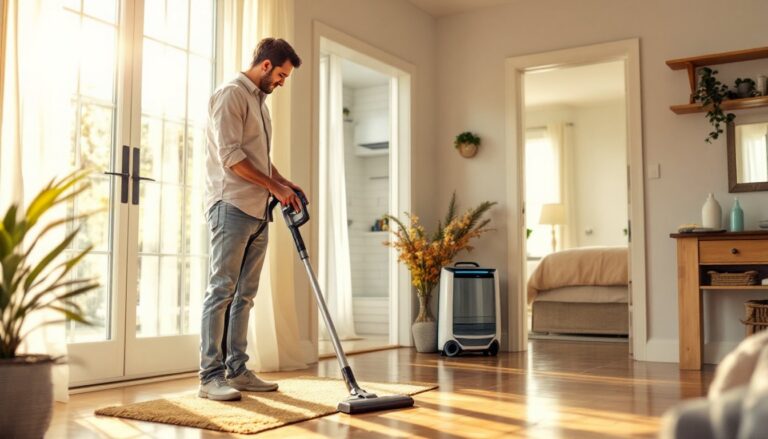
Living Spaces and Carpets: Vacuum carpeted areas twice weekly during pollen season, once weekly year-round. Pollen and dust mites settle in carpet pile where they trigger allergies. Area rugs can be vacuumed and shaken outside to dislodge pollen. Upholstered furniture collects pollen and dust mites: a fabric brush or lint roller used weekly helps manage allergen load.
Basement and Crawl Spaces: These are moisture magnets. Check for condensation on pipes and water lines. Keep a dehumidifier running from May through September. Real Simple offers comprehensive cleaning checklists that help track all the areas easily missed in basements and lower levels. Ensure gutters and downspouts drain away from foundation walls to minimize water intrusion.
Creating a Seasonal Cleaning Schedule
Massachusetts’ four distinct seasons call for different cleaning priorities. Building a rhythm prevents overwhelming deep-cleaning marathons.
Spring (March–May): Focus on pollen management. Wash windows and window screens on the outside, pollen film reduces light transmission. Dust ceiling fans, light fixtures, and baseboards twice weekly. Refresh HVAC filters monthly. Wash exterior siding if algae or pollen buildup is visible (this is cosmetic but improves curb appeal and light reflection into home). Clean gutters to ensure proper drainage as snow melts.
Summer (June–August): Humidity season demands mold vigilance. Check and clean exhaust fans in bathrooms and kitchen. Run dehumidifiers in basements. Wipe down surfaces in damp areas weekly. Wash shower curtains and bath mats frequently, they trap moisture and harbor mildew. Power-wash deck surfaces if mold or mildew is visible (safety surfaces matter for preventing slips). The Spruce provides detailed seasonal cleaning guides that align with regional weather patterns.
Fall (September–November): Prepare for winter. Seal gaps around windows and doors to minimize dust intrusion when heating systems kick on. Clean out gutters before leaf fall intensifies. Wash curtains and window treatments to remove summer pollen and dust accumulation before windows stay closed year-round.
Winter (December–February): Indoor humidity actually drops in winter (when heating systems run), but salt and grit tracked indoors become the enemy. Keep entryways clean, vacuum and damp-mop high-traffic areas daily. Salt residue damages floors and stains carpet: a boot tray and damp cloth near entries reduce tracking. Check basement for condensation around pipes as temperature swings occur.
DIY vs. Professional Cleaning Services in Massachusetts
Honest assessment of your time, skills, and physical ability matters. Some tasks suit DIY: others justify professional help.
DIY Makes Sense For:
Routine weekly and monthly cleaning. Dusting, vacuuming, kitchen/bathroom surface cleaning, and mopping are straightforward tasks that take 2–4 hours weekly depending on home size. You control timing and frequency, crucial for managing pollen season.
Regular maintenance prevents expensive damage. Consistent exhaust fan use, mold prevention, and gutter cleaning cost nothing beyond your time and prevent costly remediation later.
Professional Services Make Sense For:
Deep mold or mildew remediation. If you discover black mold, especially in walls or crawl spaces, stop and call a professional. Mold remediation isn’t a cleaning task, it’s health and structural work that may require permits in Massachusetts.
Carpet and upholstery cleaning. Professional-grade equipment removes trapped allergens, dust mites, and deep-set dirt that home vacuums miss. For allergy sufferers, this 1–2 times yearly investment can meaningfully improve indoor air quality.
High-access window and gutter cleaning. Two-story windows, gutters, and exterior hard-to-reach areas risk falls. Professionals have equipment and insurance. Good Housekeeping’s expert-tested cleaning advice includes guidance on when to call professionals versus tackle tasks yourself.
Post-construction or move-in deep cleaning. New homes or freshly renovated spaces collect dust, sawdust, and construction debris. Professional cleaners with industrial vacuum equipment handle this efficiently.
Regional professionals understand Massachusetts-specific challenges, humidity issues, pollen season prep, and proper ventilation. If you hire out, focus your DIY effort on routine maintenance that keeps your investment solid between visits.